• Nepal Adventure Trekking & Tour Operator

Tsum Valley Trek

Activities
Trekking

Tsum Valley Trek: 19 Days

The Tsum Valley Trek, also known as the "Manaslu Tsum Valley Trek" or simply "Tsum Valley," is located in a remote Himalayan valley in the Gorkha district of northern Nepal. This trek is renowned for its rich culture, breathtaking views, and Tibetan-influenced traditions, making it a unique and lesser-known destination among Nepal's trekking routes. Although the area sees fewer trekkers compared to more popular routes, it is gaining popularity among travelers who want to explore less crowded parts of the Himalayas.

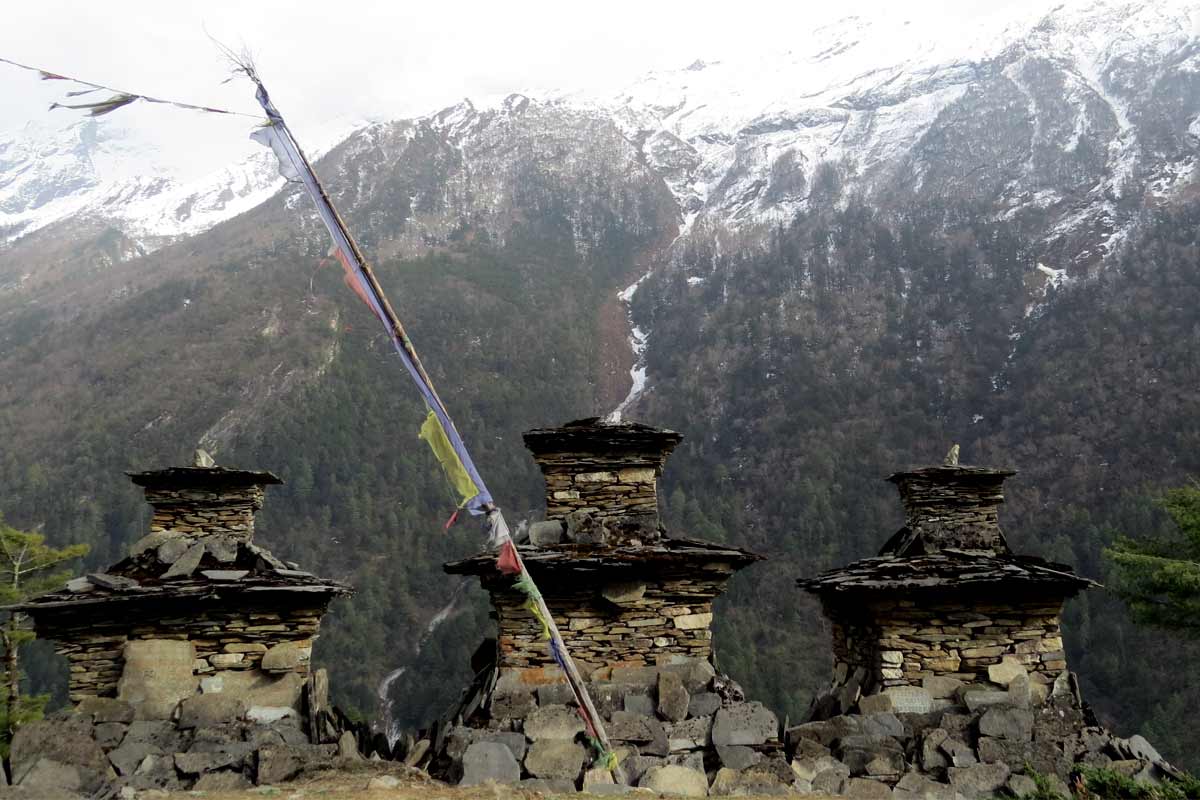
The Tsum Valley Trek is a hidden treasure in the northern part of Nepal’s Manaslu region. Before 2008, the valley was inaccessible to international trekkers, preserving its pristine landscapes and deeply rooted traditions. Today, it welcomes travelers eager to explore an unspoiled region rich in natural beauty and cultural heritage. Historically part of Tibet, Tsum Valley still reflects strong Tibetan influence in its religion, art, and daily life. Ancient monasteries, fluttering prayer flags, and a simple, traditional lifestyle create a profound sense of timelessness.

Tsum Valley is often identified as the "Land of Non-Slaughter" by its inhabitants. Local customs, honoring all forms of life as sacred, naturally forbid the slaughter of animals and the consumption of meat. Since its first opening to tourists in 2008, the valley has evolved into a remarkable destination for hikers seeking both an exciting adventure and a spiritual awakening. The Tibetan word "Tsombo," from which the name "Tsum" originates, evokes vivid images, offers a sense of spiritual depth, and fosters inner peace.

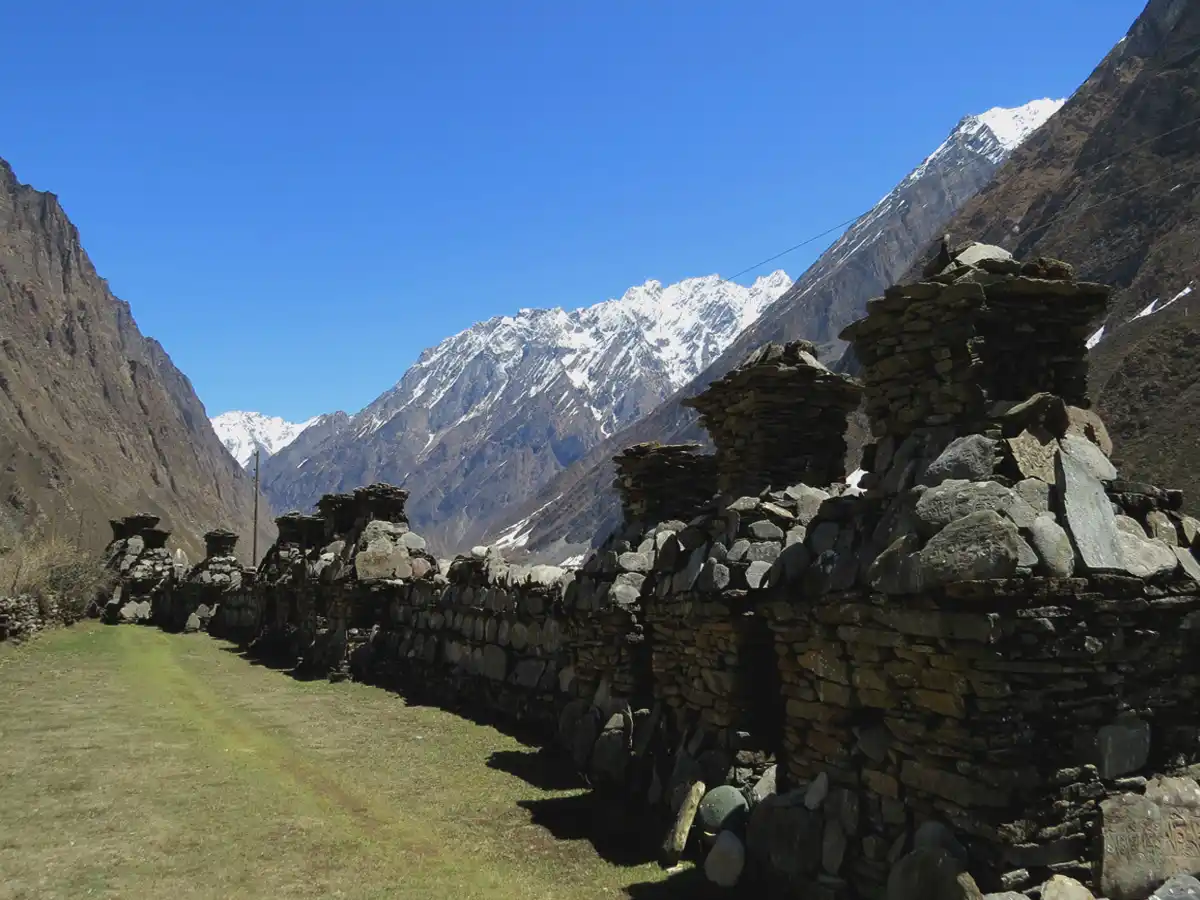
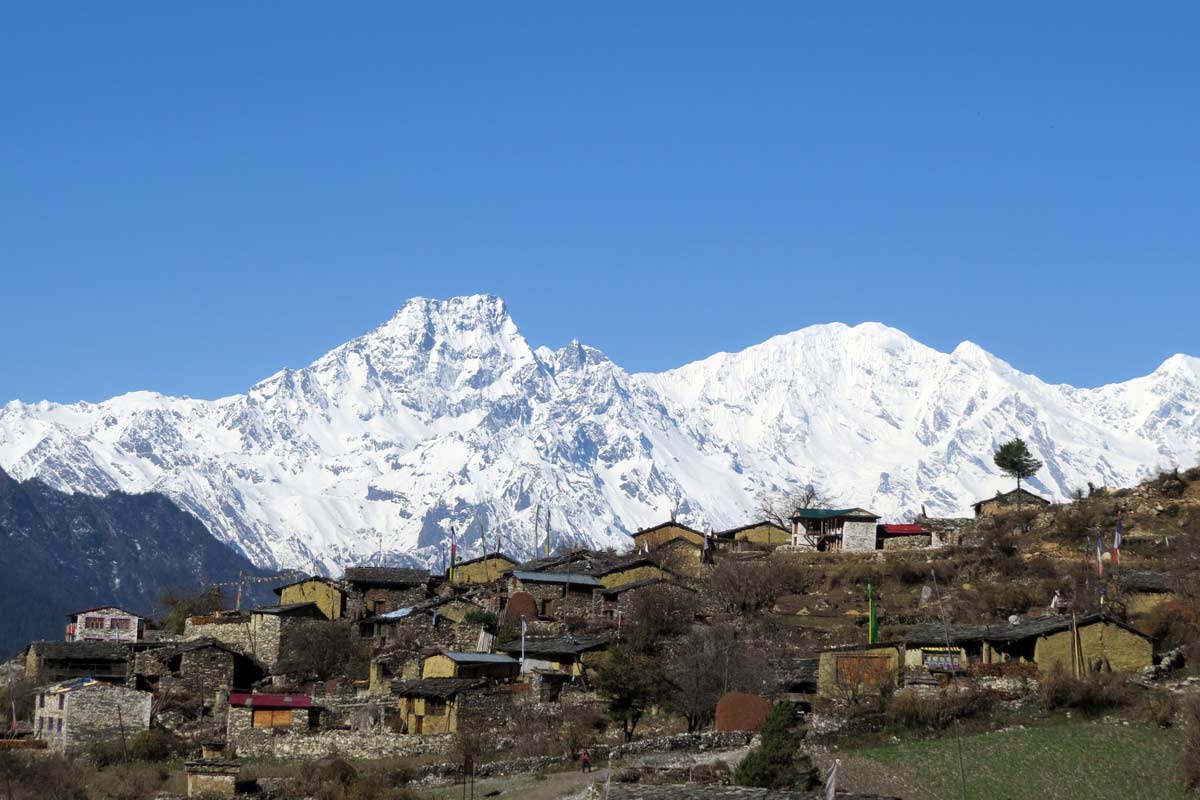
The Tsum Valley Trek is a journey back in time. As you navigate its challenging trails, you will encounter the warmth and kindness of local people whose lives are shaped by ancient wisdom and enduring traditions. Tibetan Buddhist culture flourishes here, deeply intertwined with elements of the ancient Bon religion, and the chanting of prayers resonates throughout the high mountain valleys. The scenery is equally captivating, featuring lush forests that blanket the hillsides, terraced fields cascading down the slopes, and breathtaking views of the Ganesh Himal range dominating the skyline. These majestic peaks attract not only trekkers but also those seeking spiritual solace and quiet reflection.

The Tsum Valley Trek provides a unique opportunity to immerse yourself in Nepal's rich culture while surrounded by stunning Himalayan landscapes. Trekkers can engage in local customs and ceremonies while enjoying expansive views of remote valleys and towering mountains. This trek is more than just a physical journey; it is a transformative experience filled with discovery, connection, and unforgettable memories in one of Nepal's most sacred and pristine regions.

Tsum Valley Trek

Tsum Valley Trek Highlights

Region

Manaslu

Duration

19 Days

Starting Price

USD 1,800.00

Group Size

6 Plus

Activities

Trekking

Transportation

Private Overland

Accommodation

Hotel, Lodge and Guesthouse

Meal Plan

AP

Trip Grade

Moderate

Max. Altitude

4,500m

Best Season

Spring and Autumn

Trip Hours/Day

4-10 Hours

Competency

Physically Fit


Trip Itinerary

  • 01

    Arrival at Kathmandu (1300m).

    Upon your arrival at the airport, our company representative will warmly greet you and ensure your smooth transfer to the hotel. You will have the pleasure of meeting our team at the hotel. In the evening, around 6:00 p.m. to 7:00 p.m., we will organize a pre-trek briefing. This gathering provides an excellent opportunity to familiarize yourself with the other members of your group before we all proceed to enjoy a delightful dinner. The welcome dinner will feature authentic Nepalese cuisine accompanied by captivating cultural dance performances, immersing you in the rich cultural traditions of Nepal.

    Transfer: 30-45 min | Accommodation: Hotel | Meal: Welcome Dinner
  • 02

    Full day Guided Tour in Kathmandu valley with City Tour Guide

    Today, you will have the opportunity to explore Kathmandu with our experienced city tour guide. Our itinerary includes several remarkable sites:

    • SWOYAMBHUNATH, also known as the Monkey Temple, is perched atop a hill and can be reached by climbing a long set of steps. From there, you can enjoy breathtaking panoramic views of Kathmandu.
    • BOUDHANATH STUPA is adorned with traditional Gompas adorned with vibrant prayer flags. It serves as a focal point for Sherpas and Tibetans who partake in the spiritual practice of circumambulating the stupa (koras).
    • PASHUPATINATH, a sacred Hindu temple, is situated on the banks of the Bagmati River and features ghats where cremation ceremonies take place, offering a unique glimpse into Hindu rituals.
    • KATHMANDU DURBAR SQUARE, one of the ancient capitals of the Kathmandu Valley, is a UNESCO World Heritage Site. This vibrant square showcases a harmonious fusion of Hindu and Buddhist temples, showcasing the rich cultural heritage of the region.

    With our knowledgeable guide, you will gain insights into the historical, religious, and architectural significance of these iconic landmarks. Prepare to be captivated by the unique charm and spiritual ambiance of Kathmandu.

    Sightseeing: 7-8 Hours | Accommodation: Hotel | Meal: Breakfast
  • 03

    By Private Transportation: Kathmandu - Gorkha (1,135m)

    After an early breakfast in Kathmandu, set out on a scenic drive westward toward Gorkha, the historic birthplace of modern Nepal. Travel along the Prithvi Highway, which offers views of rivers, terraced hillsides, and traditional villages, along with the beautiful scenery of the Trishuli River and the rising mid-hill landscapes. Arrive at Gorkha Bazaar by mid-afternoon to check in at your hotel. Enjoy a short rest before visiting the Tallo Durbar Gorkha Museum, an elegant example of Newari architecture that displays royal artifacts and highlights regional history. As the day cools, either drive or trek up the approximately 1,500 traditional stone steps to Gorkha Durbar (Gorkha Palace), the ancestral home of King Prithvi Narayan Shah. Here, you can explore the Kalika Temple, the sacred Gorakhnath Cave, and the traditional architecture of the palace. From the hilltop, enjoy a serene evening atmosphere and a breathtaking golden sunset, with 360-degree views of the Manaslu, Ganesh Himal, and Himalchuli ranges. Afterward, descend back to town for dinner and an overnight stay in Gorkha.

    Transfer: 140km, 5-6 hours |  Accommodation: Hotel l Meal: Breakfast, Lunch, Dinner
  • 04

    By 4WD Jeep: Gorkha - Laprak (2,200m)

    The drive from Gorkha Bazaar to Laprak is an exciting high-altitude journey in a 4WD Jeep. Starting early, the route descends into the Daraudi River valley and then climbs steeply through terraced hills and lush forests to Ranglung. Eventually, it reaches Barpak, a community that was central to the 2015 earthquake. The local Ghale and Gurung communities have worked hard to rebuild their homes, all while enjoying stunning mountain views. Continuing, the road leads to Momche Dada (2,950 m), where you can take in breathtaking sights of Bouddha Himal, Sringi Himal, and the Manaslu range, all enhanced by grazing sheep and blooming rhododendrons. After this beautiful ascent, the descent takes you to Laprak (Gupsi Pakha), a modern settlement established after the earthquake. After checking into your lodge, spend the afternoon exploring Old Laprak Village, known for its traditional Gurung stone houses and warm hospitality. 

    Transfer: 70km, 4-5 Hours |  Accommodation: Lodge l Meal: Breakfast, Lunch, Dinner
  • 05

    Laprak - Machhakhola (975m)

    After breakfast, we will begin our trek from Laprak to Machhakhola. Starting in Laprak, a historic village rebuilt after the earthquake, the trail winds southwest along ridges, offering panoramic views of the Buddha and Shringi Himal. Along the way, we will pass through patches of rhododendron and community forests before reaching Gumda, a picturesque village that is perfect for a tea break. From Gumda, the path drops steeply through terraced millet and corn fields to the smaller settlement of Yamgaun. The descent continues along the ridge to Lapsibot, where subtropical flora and Lapsi trees indicate a noticeably warmer climate. The final leg of the trek involves a steep zig-zag down to the Budhi Gandaki River before crossing either a suspension bridge or navigating a riverside trail into Machhakhola. This off-the-beaten-path route offers an immersive experience of local culture, along with spectacular views of the Himalayas. It is a strenuous but rewarding trek, so trekking poles, sturdy footwear, early starts, and adequate water are strongly recommended for this long descent.

    Walking: 8-9 hours | 16 km | Altitude Gain: 400 m    |  Altitude Loss: 1,550 m | Accommodation: Lodge l Meal: Breakfast, Lunch, Dinner
  • 06

    Machhakhola - Jagat (1,370m)

    After breakfast in Machhakhola, we begin our trek to Jagat—a day filled with adventure that takes us deep into the Buri Gandaki gorge. Here, lush lowlands gradually transition into rugged highland scenery. As we follow the river, we pass through Khorlabesi, famous for its traditional rug weavers, before reaching Tatopani, where natural hot springs offer a refreshing break. The trail becomes more challenging as we cross suspension bridges to Dobhan for lunch. We continue on to Yaru Bagar, where we navigate the dramatic cantilever walkway, which was rebuilt after the 2015 earthquake. This walkway provides breathtaking views of the roaring river below. The final stretch of our trek involves climbing stone steps, crossing the river once more, and finally arriving at Jagat, a clean village with slate-stone streets. Jagat marks the entrance to the Manaslu Conservation Area and the restricted high-altitude zone. The highlights of the day include the suspension bridges, the hot springs at Tatopani, the cantilever walkway, and the striking change in vegetation from subtropical jungle to pine forests and cliffs. This trek serves as a memorable introduction to the region's dramatic landscapes.

    Walking: 7-8 hours |  Distance: 17.4 km |  Altitude Gain: 700 m   |  Altitude Loss: 260 m | Accommodation: Lodge l Meal: Breakfast, Lunch, Dinner
  • 07

    Jagat - Lokpa (2,240m).

    The day begins in the stone-paved village of Jagat, where your guide registers your restricted area permits at the police checkpoint, the gateway to the Manaslu Conservation Area. The trail gently ascends to Salleri, offering your first views of Mount Sringi (7,187 m), then descends to Sirdibas, a traditional village with Buddhist chortens. After crossing a long suspension bridge, you reach Philim, a Gurung village known for its Japanese-built school and terraced fields. Continuing north, the trail becomes rugged, narrowing into a gorge. After passing Ekle Bhatti, the path diverges toward Tsum Valley. As you climb through pine and rhododendron forests above the Siyar Khola, you arrive in Lokpa, the first village of Tsum Valley. This peaceful settlement offers stunning views of Mounts Manaslu and Hiunchuli, and it serves as the last stop for supplies before the next day's steeper climb to Chumling.

    Walking duration: 6-7 hours |  Distance: 14 km |  Altitude Gain: 810 m    |  Altitude Loss: 230 m | Accommodation: Lodge l Meal: Breakfast, Lunch, Dinner
  • 08

    Lokpa - Chumling (2,386m)

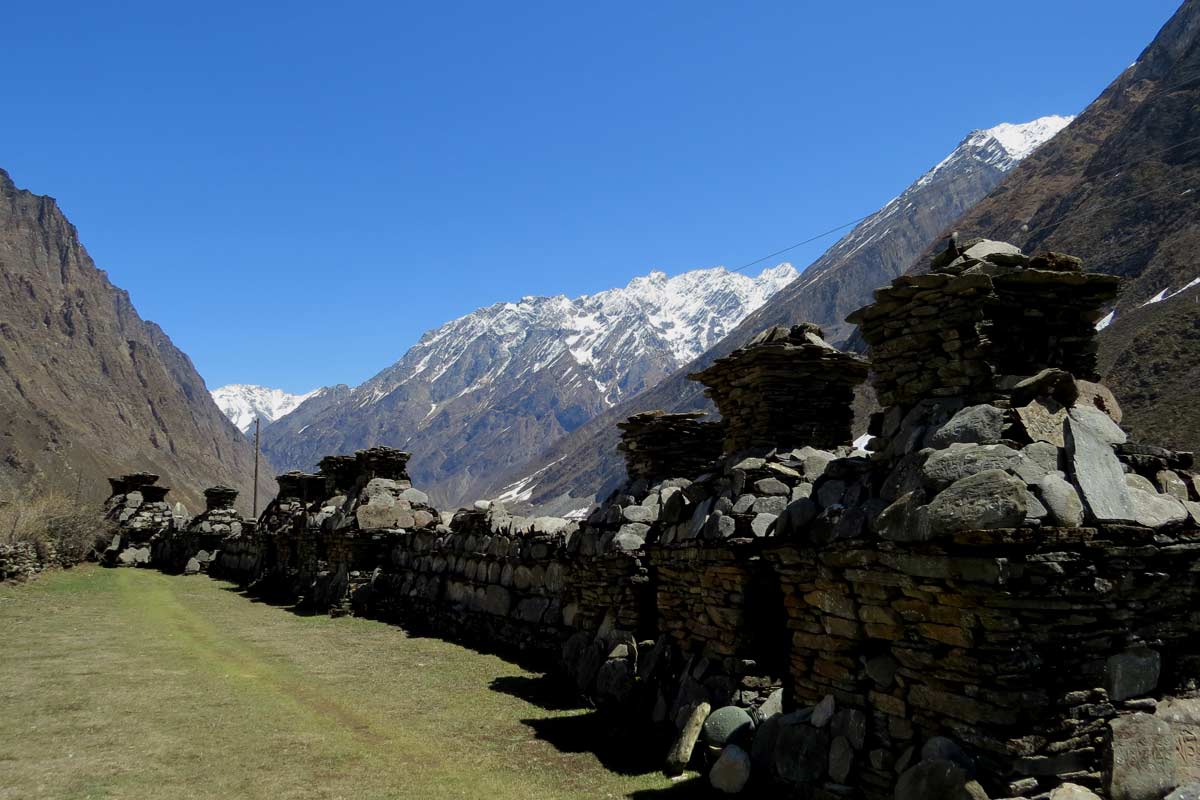
    After breakfast in Lokpa, the day starts with a steep descent into the Siyar Khola gorge, where you navigate through rhododendron, pine, and oak forests. You'll cross a sturdy suspension bridge before tackling a long ascent on a stone staircase. As the trail climbs, the gorge widens, revealing glimpses of Langur monkeys, Himalayan Thar, and distant snowcapped peaks like Shringi and Ganesh Himal. You then arrive in Chumling (Lower Tsum), a serene glacial valley adorned with Mani walls and prayer flags. Explore traditional stone houses, visit Chumling Gompa, and observe local life. Enjoy stunning evening views of Baudha Himal and Ganesh Himal, with many trekkers hiking to the upper village for better panoramas. After a day of trekking, relax in a local teahouse and soak in the peaceful mountain atmosphere.

    Walking: 4-5 hours |  Distance: 8 km |  Altitude Gain: 710 m |  Altitude Loss: 310 meters | Accommodation: Lodge l Meal: Breakfast, Lunch, Dinner
  • 09

    Chumling to Chhokangparo (3,031m)

    After breakfast in Chumling, hike north along a scenic trail through barley and buckwheat fields before crossing a long suspension bridge over the Siyar Khola. The trail then steadily ascends from lush rhododendron forests to sturdy pine and larch trees. Rainyn and Gho, with their massive mani walls carved with ancient mantras, showcase the valley's spiritual heritage. The tranquil atmosphere is enhanced by waterfalls and streams and panoramic views of Manaslu, Ganesh Himal, and Baudha Himal. Upon entering the upper Tsum Valley, the trail narrows and crests at 3,000m, revealing a vast U-shaped glacial plateau. Visit Chhokangparo, Upper Tsum's cultural center, in the afternoon. Classic Tibetan stone architecture, ancient chortens, and peace define the “Land of Non-Slaughter.” The Tsumba people welcome trekkers with tsampa and salt butter tea, and the village offers stunning views of the Himalayas. Chhokangparo, a must-see in Tsum Valley, combines natural beauty, cultural richness, and high-altitude tranquility.  

    Walking: 5-6 Hours |  Distance: 11 km |  Altitude Gain: 910 m |  Altitude Loss: 180 m | Accommodation: Lodge l Meal: Breakfast, Lunch, Dinner
  • 10

    Chhokangparo to Nile (3,361m)

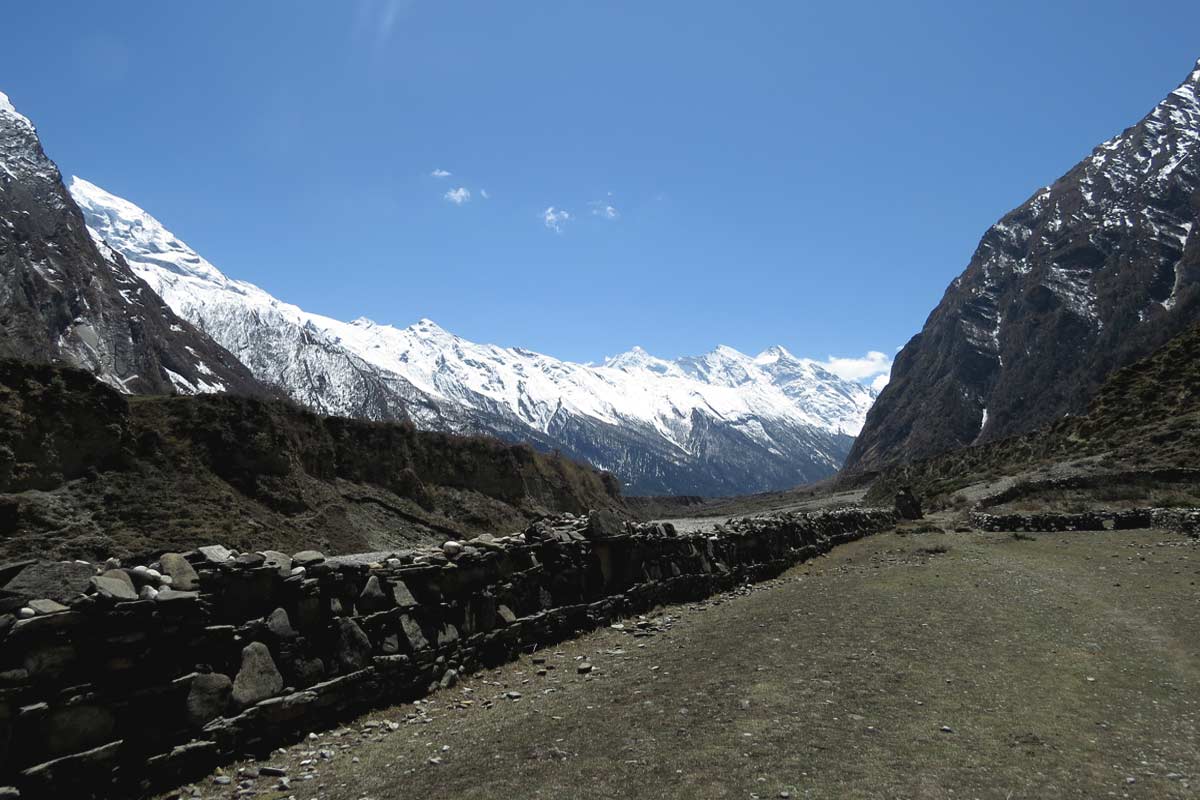
    After breakfast at Chhokangparo, the trail leads east across a sun-drenched valley floor. The lush greenery of the lower hills transitions to a rugged, high-alpine landscape typical of the Tibetan plateau. A major highlight of the morning is the village of Burji, which serves as the gateway to the sacred Piren Phu (Milarepa's Cave), a cliffside sanctuary where the legendary saint once meditated, complete with ancient monasteries and a carved footprint in the rock. The journey continues along the glacial Shiar Khola, passing through the quiet hamlets of Phurbe and Pangdun, which boast some of the region's most impressive and weathered Mani walls. With the massive Ganesh Himal towering behind and Mt. Sringi ahead, the day ends with a crossing to the river's western bank to reach Nile (3,360 m). Nile, the upper valley's last major village, is a thriving hub of traditional stone houses and high-altitude farming, providing a final glimpse of local life before ascending to the high-altitude monasteries near the Tibetan border. 

    Walking: 4-5 Hours    |  Distance: 10.5 km | Altitude Gain: 320 m    |  Altitude Loss: 40 m | Accommodation: Lodge l Meal: Breakfast, Lunch, Dinner
  • 11

    Hike to Mu Gompa (3,700m)

    After breakfast in Nile, you begin the final ascent toward the highest and most sacred outpost of the Tsum Valley. Leaving the last permanent settlements behind, the trail transitions from the lower greenery into a stark, high-altitude wilderness of juniper bushes and dry yak pastures. As you follow the west bank of the Shiar Khola, the valley opens to reveal a rugged landscape dominated by the towering white walls of the Ganesh Himal, Baudha Himal, and Longpogang ranges. By midday, the majestic Mu Gompa (3,700 m) appears, perched like a fortress on a quiet ridge. Established in 1895, this "spiritual crown" of the region houses ancient religious texts and statues of Avalokiteshwara within halls scented by flickering butter lamps and juniper incense. After exploring the gompa’s prayer halls and intricate murals, you can hike the surrounding ridges for an uninterrupted 360-degree panorama, looking north toward the Tibetan passes or south across the vast "Hidden Valley." The day concludes by soaking in this serene atmosphere before settling into a local teahouse for a peaceful overnight stay in the heart of the Himalayas.

    Walking: 3-4 hours | Distance: 10 km  | Altitude Gain: 350 m    |  Altitude Loss: 350 m | Accommodation: Lodge l Meal: Breakfast, Lunch, Dinner
  • 12

    Nile to Gho (2,530m)

    After breakfast in Nile, you begin your journey south, descending along the eastern bank of the Shiar Khola through high alpine pastures where yaks often graze. The morning’s highlight is a visit to the serene Rachen Gompa (3,240m), a significant nunnery established in 1905. Perched on a hillside with sweeping views of the valley, the gompa serves as a spiritual centerpiece, housing thousands of clay statues of Avalokiteshwara and vibrant murals; here, you can experience a profound meditative atmosphere filled with the rhythmic chanting of the nuns. Continuing through the fertile fields of Lar, you cross back to the western bank as the stark, arid terrain begins to soften into lush stands of pine, rhododendron, and birch. The path winds past ancient mani walls and small Tsumba settlements, offering a glimpse into a lifestyle unchanged by time. The day concludes with a pleasant walk through the wide plateaus of Chhokangparo before a final descent to the tree-fringed village of Gho (2,485m). Surrounded by stone houses and ancient chortens, the return of the forest scent and thicker air provides a comfortable resting point for your overnight stay.

    Walking: 5-6 Hours |  Distance: 14 km | Altitude Gain: 70 m |  Altitude Loss: 870 m | Accommodation: Lodge l Meal: Breakfast, Lunch, Dinner
  • 13

    Gho to Gumba Lungdang (3,200m)

    After breakfast at Gho, begin with a descent to the valley floor, where you cross the Siyar Khola and pass through the small riverside settlement of Dumje before tackling a major climb. Leaving the main trail behind, you enter a wilder, emerald landscape, ascending through pristine, moss-covered forests of rhododendron, pine, and birch via a series of steep, narrow switchbacks. As the air turns cooler and the valley drops away, the forest finally yields to a high, isolated ridge where the ancient Gumba Lungdang nunnery sits in the direct shadow of the Ganesh Himal range. Rebuilt after the 2015 earthquake, this remote spiritual sanctuary offers a raw, "off-the-beaten-path" experience where the silence is broken only by the calls of Himalayan birds and the hospitable presence of the resident nuns. The day concludes at this spectacular mountain outpost, providing some of the most intimate views of Ganesh Himal I and its surrounding glaciers, making the grueling ascent through the untouched wilderness truly worthwhile.

    Walking: 6-7 hours |  Distance: 6 km |  Altitude Gain: 940 m |  Altitude Loss: 110 m | Accommodation: Lodge l Meal: Breakfast, Lunch, Dinner
  • 14

    Hike to Ganesh Himal Base Camp (4,200m)

    The day hike from Gumba Lungdang to the Ganesh Himal Base Camp (approximately 4,200 m) commences with an early morning ascent through a dense, narrow forest of rhododendron and pine. The trail is significantly more rugged and less well-defined than the main valley paths. The trees gradually diminish as you ascend, giving way to high-alpine scrub and juniper, which ultimately reveals the lateral moraine of the Toro Gompa Glacier. This midday stretch is difficult and necessitates the navigation of loose rocks and boulders. However, the reward is an unparalleled spectacle of white peaks, including Ganesh Himal I (7,422 m), II, and IV. A profound sense of isolation is punctuated by the echoes of shifting ice as you stand directly beneath massive hanging glaciers and vertical ice walls upon reaching the base camp viewpoint. The day concludes with a long, meticulous descent back to the nunnery's sanctuary, leaving you exhausted but profoundly rewarded by the raw, untamed beauty of the high mountains. This is after you have taken in the breathtaking views of the Great Himalayan Wall and the Hidden Valley in the distance.

    Walking duration: 7-8 hours |  Distance: 11 km |  Altitude Gain: 1,150 m    |  Altitude Loss: 1,150 m | Accommodation: Lodge l Meal: Breakfast, Lunch, Dinner
  • 15

    Gumba Lungdang to Lokpa

    After breakfast at Gumba Lungdang, the day begins with a final look at the towering Ganesh Himal before embarking on a steep, 800-meter descent through ancient, dew-covered rhododendron and pine forests. After crossing the bridge in the riverside settlement of Dumje, the path takes a scenic lower route to Ripchet, a long, flat village built on a fertile terrace with traditional wooden architecture and some of the region's longest Mani walls. As the air warms and thickens, the afternoon journey takes the Siyar Khola through a series of Nepali flat, undulating trails, crossing several suspension bridges as the valley narrows into a dramatic, rugged gorge. The day ends with a final, short but tiring climb to the Lokpa lodges, where the return of diverse birdlife and the roar of the river signal a successful exit from the "Hidden Valley" and a return to the main Manaslu Circuit.

    Walking duration: 8-9 hours |  Distance: 18 km |  Altitude Gain: 550 m    |  Altitude Loss: 1,970 m | Accommodation: Lodge l Meal: Breakfast, Lunch, Dinner
  • 16

    Lokpa to Tatopani (875m)

    Leaving Lokpa, the trail descends steeply through a narrow, high-walled gorge to the confluence of the Siyar Khola and Budhi Gandaki, marking your official exit from the Tsum Valley and return to the main Manaslu Circuit. The path navigates dramatic cliffside sections and high suspension bridges, leading into the wider valley and the vibrant Gurung village of Philim, surrounded by expansive corn and millet fields. As you continue to drop sharply toward the stone-paved checkpoint of Jagat, the crisp mountain air gives way to a warmer, subtropical climate filled with orchids, ferns, and the mist of the spectacular Sringi Khola waterfall. The final stretch follows the riverbank through lush vegetation and the hamlet of Yaruphant, eventually reaching Tatopani (930 m). Here, the long day’s descent of over 1,300 meters concludes on a restorative note, as the village's famous natural hot springs, flowing from stone spouts in the rock face, offer a perfect Himalayan spa experience to soothe muscles after the high-altitude journey.

    Walking duration: 9-10 hours |  Distance: 25 km |  Altitude Gain: 360 m    |  Altitude Loss: 1,350 m | Accommodation: Lodge l Meal: Breakfast, Lunch, Dinner
  • 17

    By 4WD Jeep: Tatopani to Kathmandu

    The drive from Tatopani to Kathmandu is an 8-to-10-hour journey that begins with an adventurous, off-road stretch along the narrow, unpaved jeep tracks carved into the cliffs of the Budhi Gandaki river valley. Passing through the subtropical forests of Machha Khola and Soti Khola, the rugged ride offers final, towering views of the Ganesh Himal before reaching the trading hub of Arughat, where the terrain transitions into the rolling, terraced hills of the Gorkha and Dhading districts. After a midday break in Dhading Besi, the road improves significantly as it joins the paved Prithvi Highway at Malekhu, winding alongside the Trishuli River and bustling with the energy of colorful cargo trucks. The expedition concludes with a steady climb over the Naubise hills, cresting the final ridge at Thankot to reveal the sprawling expanse of the Kathmandu Valley, marking a dramatic return from the silent, spiritual highlands to the vibrant heart of Nepal.

    Transfer duration: 147 km, 7-8 Hours    |    Accommodation: Hotel l Meal: Breakfast, Lunch
  • 18

    Free day in Kathmandu for self-visit and shopping

    Today, we have a free day to explore the vibrant city of Kathmandu on our own. You may want to spend the day indulging in some souvenir shopping, wandering around the colorful streets and bazaars, or enjoying the local cuisine. You could also visit some of the popular tourist attractions in the city, such as Bhaktapur or Patan, which showcase Nepal's rich cultural and historical heritage. Alternatively, you could engage in other activities like hiking, biking, or adventure sports, or simply relax and rejuvenate in one of the city's many spas and wellness centers. Whatever you choose to do, make sure to soak up the unique sights, sounds, and flavors of this wonderful city.

    Accommodation: Hotel l Meal: Breakfast
  • 19

    Transfer to Kathmandu International airport for departure

    Today, we will transfer to Kathmandu International Airport for our departure. After enjoying a hearty breakfast at the hotel, we will gather our belongings and make our way to the airport. We will ensure that we reach the airport well in time to complete all the necessary formalities and board our flight. Before we bid adieu to this enchanting country, take one last look at the breathtaking views of the Himalayas and take a moment to appreciate the warm hospitality and kindness of the Nepalese people. This marks the end of our tour, and we hope you had a memorable and enjoyable time in Nepal.

    Meal: Breakfast
Included in package cost
  • Airport Pick-Up and Drop: Private transportation will be arranged for your airport transfers before and after the trek.
  • Hotel Accommodation: You will have a total of 4 nights in Kathmandu, staying in a twin-sharing room on a Bed and Breakfast (BB) plan.
  • City Cultural Tour: Enjoy a guided City Tour in Kathmandu with an experienced City Tour Guide, and all entrance and monument fees are included.
  • Transportation: Kathmandu to Barpak and Soti Khola to Kathmandu accompanied by our Nepalese crew.
  • Meals during Tsum Valley Trek: Breakfast, Lunch, and Dinner will be provided during the Tsum Valley Trek.
  • Accommodation during the Trek: Best available tea-house or lodge accommodation in twin-sharing rooms during the trek.
  • Trekking Staff: Well-experienced English-speaking Trekking Guide, Assistant Guide for groups of over 6 people, and Porters (at a ratio of 2:1). Their daily allowances, meals, and accommodation will be provided.
  • Insurance: Our Nepalese team members are covered by accidental and medical insurance.
  • Trekking Permits: Special permit for Tsum Valley, Manaslu Conservation Area Project (MCAP) Entry Permit fee and TIMS card.
  • Taxes and Service Charges: All government-applicable taxes and the travel agency service charge are included in the package.
Not included in package
  • Lunch and dinner in Kathmandu before and after the Tsum Valley Trek.
  • International air ticket is not included.
  • Beverage, hard drinks, and alcohol expenses are not included.
  • Nepal entry visa fee and airport tax during departure are not included.
  • Extra supporting staff, laundry, battery charge, and communication expenses are not included.
  • Personal expenses such as tea, coffee, bar bills, drinking water, beverages, snacks, hot showers, etc., are not included.
  • Travel and medical insurance, emergency evacuation/natural disaster coverage, or personal reasons are not included.
  • In any case of natural calamities, mishaps, or anything beyond our control, the expenses are not included.
  • Tips and gratitude for the Nepalese Trekking crews are not included.

Trip Map

Photo Gallery

The Tsum Valley Trek is a culturally vibrant and lesser-known hiking route in the Manaslu region of Nepal. This captivating trek leads you through the awe-inspiring landscapes of the picturesque Tsum Valley, renowned for its distinct Tibetan-influenced culture and cherished traditions.

Tsum Valley Trek usually takes around 14 to 21 days to complete, with the exact duration depending on the chosen itinerary and the acclimatization schedule. During this time, trekkers can relish the stunning landscapes, cultural encounters, and awe-inspiring presence of Mt. Manaslu, making it a truly unforgettable adventure in the Himalayas.

The best time to go on the Tsum Valley Trek is during the spring (March to May) and autumn (September to November) seasons. These months offer the most favorable weather and conditions for trekking in the region.

During spring, the temperatures are moderate, and the hills and valleys come alive with blooming flowers and lush vegetation, creating a picturesque landscape. The weather is generally clear, providing excellent views of the surrounding Himalayan peaks.

In autumn, the skies remain clear with stable weather conditions, making it an ideal time for trekking. The trails are dry and easier to navigate, and the visibility is excellent, allowing trekkers to enjoy stunning panoramic vistas.

Both of these seasons are popular among trekkers and travelers, and you can expect pleasant temperatures during the day and cool nights. However, it's essential to be prepared for varying weather conditions, especially at higher altitudes, where temperatures can drop significantly. It's advisable to check weather forecasts and be equipped with proper clothing and gear for a safe and enjoyable Tsum Valley Trek.

Tsum Valley Trek is considered a moderate trek, requiring a reasonable level of fitness and endurance. Trekkers should be prepared for some challenging aspects, such as steep ascents and descents along the trail. The highest point on the trek is Ganesh Himal Base Camp, situated at an altitude of 4,500 meters. Although prior trekking experience is not mandatory, it is beneficial to have some hiking or trekking background to make the journey more comfortable. Regular exercise and cardio training before the trek can help improve your fitness level and make the trek more enjoyable.

It's crucial to be well-prepared for the trek, both physically and mentally. Carrying appropriate gear, clothing, and essential items, along with staying hydrated and nourished during the trek, will contribute to a successful and memorable Tsum Valley Trek. Hiring a local guide and porter can also be advantageous, as they are familiar with the terrain and can provide assistance and valuable insights throughout the journey.

Yes, a permit is required for the Tsum Valley Trek. The trek falls under the restricted area, and a special permit is necessary for the Manaslu region, as well as the Manaslu Conservation Area and Annapurna Conservation Area. These permits can only be obtained through a registered trekking agency in Nepal. Securing these permits is crucial to preserving the natural and cultural heritage of the regions and ensuring responsible trekking practices. By obtaining the necessary permits, trekkers can enjoy a legal and fulfilling experience while exploring the captivating landscapes and diverse cultures along the Tsum Valley Trek. As permit requirements and regulations may change, it's essential to verify the latest information from official sources or registered trekking agencies before planning your trip.

Trekking in the protected areas of Nepal now requires a licensed trekking guide and a trekking agency-issued TIMS card, as per the revised TIMS provision effective March 31, 2023. This rule applies to specific protected areas in Nepal, and trekkers must be accompanied by a guide. This regulation is in place for safety purposes and to enhance the overall trekking experience.

Absolutely, hiring a guide for the Tsum Valley Trek is highly recommended. While it is possible to trek independently, having a knowledgeable and experienced guide can significantly enhance your overall experience and ensure your safety throughout the journey. Here are some key reasons why hiring a guide is beneficial:

  • Navigation and Safety: Manaslu region can be challenging to navigate, with numerous trails and variations. A guide is familiar with the routes, knows the correct paths, and can navigate through tricky sections, especially when crossing high passes. They can help prevent you from getting lost, ensuring you stay on the right track and reach your destinations safely.
  • Local Knowledge and Cultural Insights: Guides are typically locals or have extensive knowledge of the region. They can provide valuable insights into the local culture, customs, and traditions, enriching your understanding of the area. They can also act as interpreters, facilitating communication with local communities and teahouse owners.
  • Altitude and Acclimatization: Altitude sickness is a concern in the Manaslu region. A knowledgeable guide can help monitor your health, recognize early symptoms of altitude sickness, and make appropriate decisions regarding acclimatization. They can suggest necessary rest days and guide you on proper hydration and pacing to minimize the risk of altitude-related problems.
  • Logistics and Communication: Guides are well-versed in the logistics of the trek. They can assist with arranging accommodations, meals, and necessary permits along the way, saving you time and effort. In case of any emergencies or unforeseen circumstances, a guide can quickly communicate with local authorities and arrange necessary assistance.
  • Support and Motivation: Trekking in the Manaslu region can be physically and mentally demanding. A guide provides valuable support, encouragement, and motivation throughout the trek, helping you overcome challenges and keeping your spirits high.
  • Overall, hiring a guide for the Tsum Valley Trek offers numerous advantages, particularly in terms of safety, navigation, cultural insights, and logistics. It allows you to focus on enjoying the trek while leaving the complexities to an experienced professional.

Tsum Valley Trek offers various accommodation options, but it's important to be prepared for basic and rustic facilities, particularly at higher altitudes. The types of accommodation available depend on the specific route, time of year, and level of development in the area. Here are the common types of accommodations along the trek:

  • Teahouses/Lodges: Teahouses or lodges are the most common and popular form of accommodation. These are simple guesthouses run by locals, providing basic amenities like a bed, blankets, and shared bathrooms. Despite their simplicity, teahouses offer a welcoming and friendly atmosphere.
  • Homestays: Some villages along the trek offer homestay options, allowing you to stay with local families for a more authentic cultural experience. Homestays usually provide basic facilities similar to teahouses but offer an opportunity to immerse yourself in the local way of life.
  • Camping: If you prefer a more adventurous experience or are trekking in less-developed areas, camping is an option. We'll arrange the camping gear, including tents and sleeping bags. Camping allows you to enjoy the wilderness and remote regions, but it requires more preparation.

Accommodation availability can be limited, especially during peak trekking seasons. It's advisable to make advance bookings, particularly in popular areas, to secure a place to stay. Meals in teahouses and lodges are usually simple but nourishing local dishes. As you climb to higher altitudes, accommodation options may become more limited, so it's crucial to plan your trek accordingly and be flexible with your itinerary. Hiring a local guide or trekking agency can help arrange suitable accommodations and make your trek more comfortable.

Tsum Valley Trek offers a plethora of highlights that make it a truly memorable and enriching experience. Here are some of the key highlights of the trek:

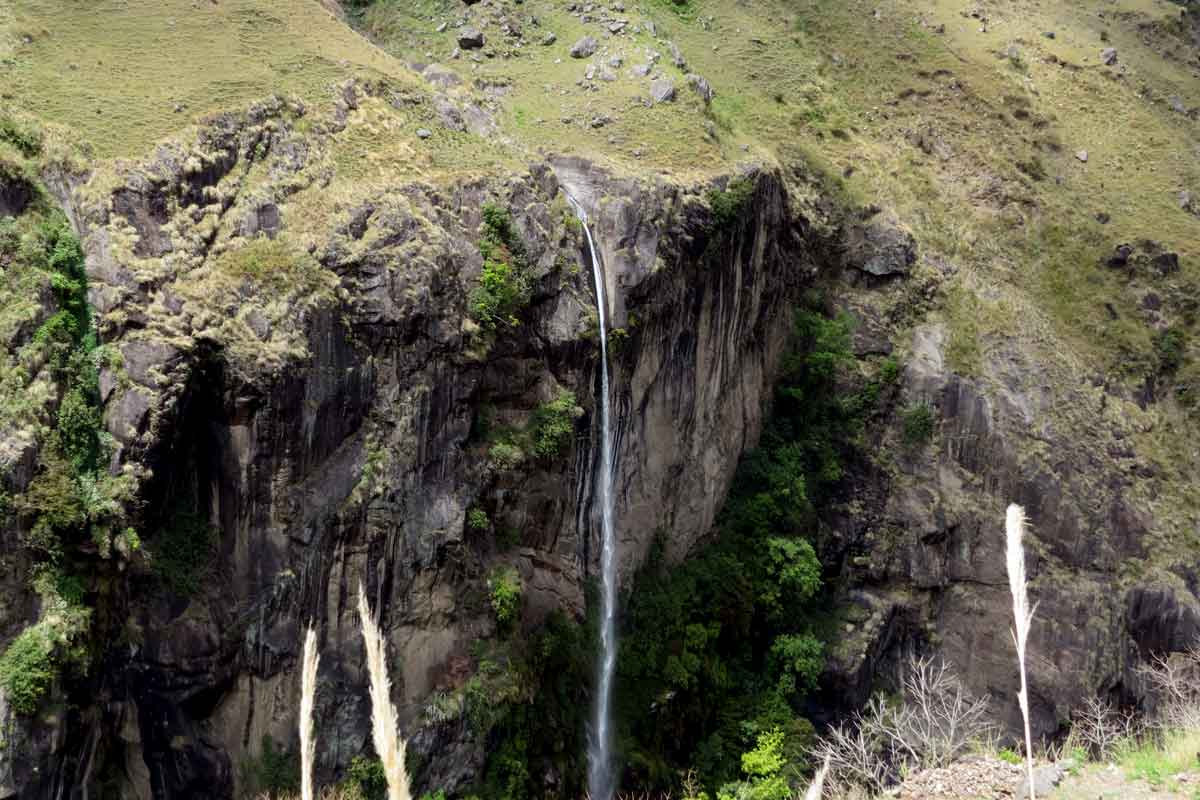
  • Tsum Valley Exploration: The trek takes you through the stunning Tsum Valley, renowned for its natural beauty, serene landscapes, and untouched Tibetan Buddhist culture. You'll have the opportunity to immerse yourself in the picturesque surroundings, with lush green hills, cascading waterfalls, and pristine rivers.
  • Ancient Monasteries: The Tsum Valley is dotted with ancient monasteries, some dating back centuries. These monasteries are not only architectural wonders but also serve as important spiritual and cultural hubs for the local community. Visiting these monasteries allows you to witness intricate artwork, learn about Buddhist practices, and experience the serene atmosphere.
  • Cultural Interactions: One of the highlights of the Tsum Valley Trek is the chance to interact with the warm and hospitable locals. Tibetan Buddhism has had a significant influence on the people of Tsum Valley, who have managed to preserve their distinctive culture and traditions. Engaging with the locals provides insights into their way of life, traditional practices, and folk customs, creating meaningful cultural exchanges.
  • Spectacular Mountain Views: The trek offers breathtaking views of some of the world's highest peaks, including Manaslu (8,156 meters) and Ganesh Himal (7,422 meters). The snow-capped mountains, towering against the blue sky, create a mesmerizing backdrop throughout the journey. The panoramic vistas and awe-inspiring landscapes are a treat for nature and photography enthusiasts.
  • Flora and Fauna: The Tsum Valley region is home to a diverse range of flora and fauna. You'll come across rhododendron forests, alpine meadows, and rare plant species. The area is also known for wildlife sightings, including Himalayan Thar, Blue Sheep, and several bird species. Nature lovers will appreciate the richness and biodiversity of the region.

Tsum Valley Trek offers a perfect blend of natural beauty, cultural immersion, and Himalayan grandeur. It presents an opportunity to explore a hidden gem, away from the bustling tourist trails, and discover the untouched charm of the Tsum Valley and its surroundings.

For the Tsum Valley Trek, it is essential to have the right gear to ensure your comfort, safety, and enjoyment throughout the journey. Here is a list of essential gear you should consider packing:

Clothing:

  • Base Layers: Moisture-wicking and quick-drying long-sleeved tops and bottoms to provide insulation and regulate body temperature.
  • Insulating Layers: Fleece jackets or down jackets to provide warmth in cold conditions.
  • Waterproof Jacket: A waterproof and breathable jacket to protect against rain, wind, and snow.
  • Trekking Pants: Lightweight, quick-drying pants with zip-off options for versatility.
  • Hiking Shorts: Comfortable shorts for warmer days or lower altitudes.
  • Thermal Underwear: Extra layer of thermal tops and bottoms for colder conditions.
  • Trekking Socks: Moisture-wicking, comfortable, and thick socks to keep your feet dry and prevent blisters.
  • Headwear: Sun hat, beanie or warm hat, and a buff or neck gaiter for protection against the sun, wind, and cold.
  • Footwear:
    • Trekking Boots: Sturdy and waterproof boots with ankle support for comfortable and safe trekking. Trekking Sandals: Optional for wearing around the lodges during rest days or for lower-altitude walks.
    • Backpack:
      • Daypack: A comfortable and durable backpack with a capacity of around 20-30 liters for carrying your essential items during the trek.
      • Sleeping Gear:
        • Sleeping Bag: A warm and lightweight sleeping bag suitable for temperatures down to freezing or lower, depending on the season.
        • Trekking Equipment:
          • Trekking Poles: Adjustable and lightweight trekking poles to provide stability and support during the trek.
          • Headlamp: A headlamp with extra batteries for visibility during early morning starts or in case of power outages.
          • Water Bottle: Reusable water bottles or a hydration bladder to stay hydrated throughout the trek.
          • Accessories:
            • Sunglasses: UV-protective sunglasses to shield your eyes from the strong sunlight at high altitudes. Sunscreen: High SPF sunscreen protects your skin from intense sun rays.
            • First Aid Kit: A basic medical kit including bandages, antiseptic cream, painkillers, and any necessary personal medications.
            • Toiletries: Travel-sized toiletries including soap, shampoo, toothpaste, and a small towel.
            • Electronics: Camera, extra batteries, power bank, and charging cables.
            • It's important to note that the gear requirements may vary depending on the season and your personal preferences. It's advisable to check with your trekking company or travel agency for a detailed gear list specific to the Tsum Valley Trek, as they may have additional recommendations or requirements. Additionally, it's recommended to pack light and bring only the essentials to avoid carrying excessive weight during the trek.

Yes, travel insurance is highly recommended and often required for the Tsum Valley Trek. It is essential to have comprehensive travel insurance that covers trekking at high altitudes, including medical emergencies and evacuation. Here are some key aspects to consider when choosing travel insurance for the Tsum Valley Trek:

  • Medical Coverage: Ensure that your travel insurance provides coverage for high-altitude trekking and any potential medical emergencies that may arise during the trek. This includes coverage for altitude sickness, accidents, injuries, and emergency medical evacuation by helicopter if necessary.
  • Trip Cancellation and Interruption: Look for insurance that offers coverage in case of trip cancellation or interruption due to unforeseen circumstances, such as illness, injury, or natural disasters.
  • Evacuation Coverage: Verify that your insurance covers emergency helicopter evacuation from high altitudes, as this can be necessary in case of severe altitude sickness or other medical emergencies.
  • Baggage and Gear Coverage: Consider insurance that provides coverage for lost, stolen, or damaged baggage and trekking gear, as well as any additional equipment you may be carrying.
  • Personal Liability: Check if the insurance includes personal liability coverage in case of accidental damage or injury to others during the trek.
  • It is important to carefully review the terms and conditions of the travel insurance policy to ensure it meets your specific needs and provides adequate coverage for the Manaslu Trekking. Be sure to disclose any pre-existing medical conditions to the insurance provider and understand any exclusions or limitations in the policy. Remember to carry a copy of your travel insurance policy and emergency contact information with you during the trek.

Safety is of utmost importance when trekking the Tsum Valley Trek. There are several key factors to consider in order to ensure a safe journey. First and foremost, proper acclimatization is crucial to avoid altitude sickness. Take your time and allow your body to adjust to the increasing elevation. It's also important to stay hydrated throughout the trek. Being aware of the weather conditions is vital as well. Stay updated on the current weather forecasts and be prepared for any changes that may occur. Sudden weather shifts can affect the trail conditions and your overall safety. Carrying a basic first aid kit is highly recommended. It should include essentials such as bandages, antiseptic ointment, painkillers, and any necessary medications. Additionally, having travel insurance is a wise precautionary measure to cover any unforeseen circumstances or emergencies that may arise during your trek.

Lastly, it is essential to follow the guidance of experienced guides or porters. They possess valuable knowledge of the region, the trail, and potential challenges. They can provide insights, offer assistance, and ensure your safety throughout the journey. Before embarking on the trek, always check the current trekking conditions and any possible trail closures. This will help you plan your route accordingly and avoid any hazardous situations. By taking these safety considerations into account, you can have a more secure and enjoyable experience while trekking in the Tsum Valley.

Ethic Himalaya Treks & Expedition Pvt. Ltd. is dedicated to providing exceptional services, ensuring an unforgettable journey for you. We are committed to honesty and diligence, striving to make your experience smooth and enjoyable. All services will be delivered as agreed upon during booking, following our policies and those set by the Tourism Authority. However, please be aware of the inherent risks involved, and you must take responsibility for your actions and participation. The adventure may entail extreme conditions, unpredictable weather, and itinerary changes beyond our control. Proper acclimatization to high altitudes is crucial. Our trips often take place in remote areas, where access to emergency services and medical facilities is limited. In cases of serious injuries requiring hospitalization, evacuation may take several days, affecting your recovery. While helicopters are commonly used for evacuation, they may not always be available due to weather conditions. We cannot be held responsible for any changes or cancellations due to factors such as government restrictions, natural disasters, political unrest, flight cancellations, delays, sickness, accidents, or vehicle breakdowns. Any additional costs incurred are the client's responsibility. Therefore, we strongly advise obtaining travel insurance covering cancellation, curtailment, personal liability, and loss of luggage and personal effects. Proof of travel insurance is required on the first day of your trip, and without it, participation will not be possible.

Our English-speaking trekking guide from Ethic Himalaya is qualified by the Nepali government and assigned to be with you from the time you arrive in Kathmandu until you depart. Entrusted with the pivotal role of ensuring the triumph of your expedition, he holds the authority to steer its course. We encourage you to actively engage with him by seeking clarification through inquiries and, most importantly, by adhering to his expert counsel.

  • Sirdar (Sardar): Sirdar is in charge of the whole team. Starting as a porter and moving up to roles like kitchen assistant or even cook, the team holds a deep respect for Sirdar's leadership.
  • Assistant Guide or Sherpa: The assistant Guide or Sherpa assists and guides clients, regardless of their ethnic background. Their numbers vary based on the group's size, with a ratio of 4:1 assistant Guides to clients.
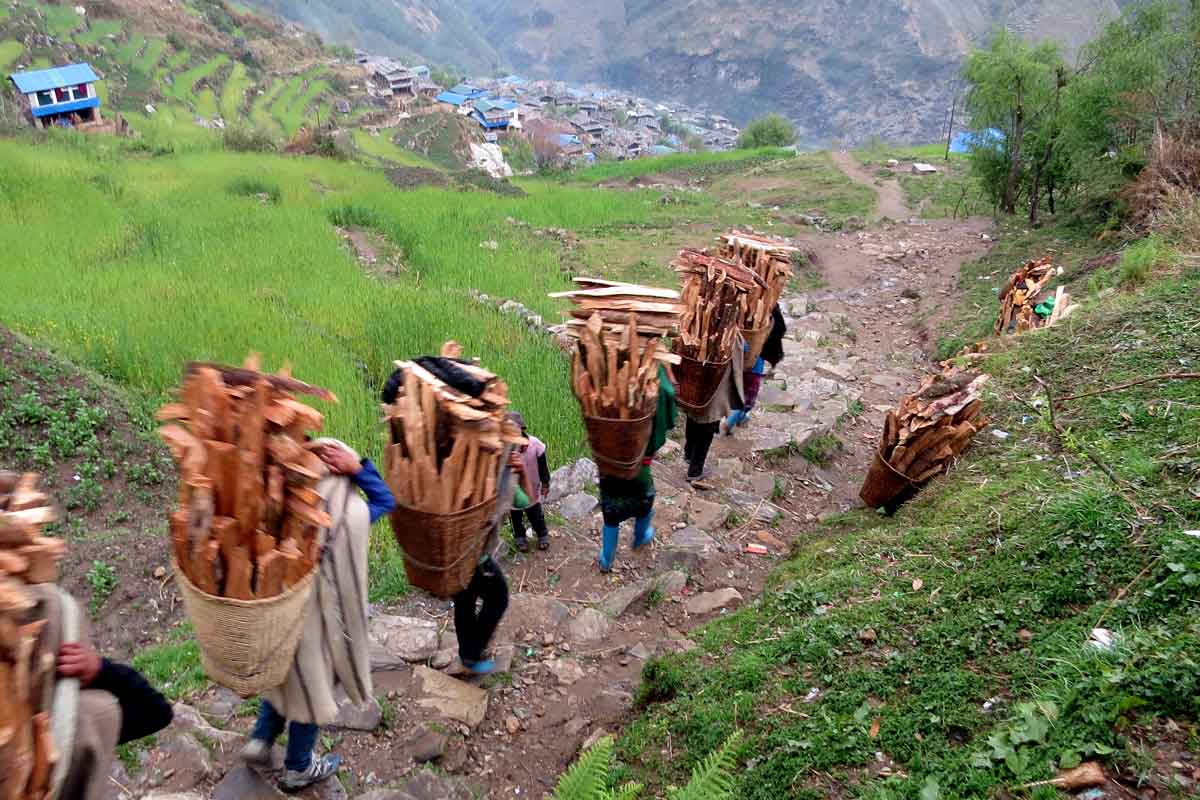
  • Porters: In Nepal's mountainous terrain, the tradition of human porterage has endured over time. Some porters working with agencies request heavier loads for higher pay, exceeding 20 kg. We ensure extra payment for every kilogram beyond 20 kg. To avoid excessive strain, particularly loads over 25 or 30 kg, we kindly ask you to consider the weight of your belongings. We provide a 2:1 porter-to-client allocation.

You move on foot with a light backpack, containing your personal belongings necessary for the day (water bottle, camera, protective clothing, etc.). The porters transport the rest of the equipment to the following lodging. For the bag that the porters will carry, we kindly ask everyone to not exceed 13 kg. You will be able to leave your belongings at the hotel in Kathmandu and pick them up when you return from trekking.

NB: On your arrival at the hotel in Kathmandu, you will be provided with a suitable travel bag, in thick canvas. You will transfer your belongings there and can leave your bag or suitcase at the hotel. Although relatively waterproof, it is preferable to compartmentalize your belongings in plastic bags or waterproof sub-bags.

Nepal is a mountainous country; the tradition of human carrying dates back to the dawn of time and continues today. The porters earn little, but the income from this activity is still more lucrative than other manual tasks. Without trekkers, the mountain populations would live even more poorly, and the porters would lose their means of subsistence.

The standard load must not exceed 25 kg per male or female carrier (outside the scope of expeditions). At the request of male carriers, their load can be increased within the limit of a maximum ceiling of 45 kilos. For each kilo over 25 kg, the carrier is awarded additional compensation.

We ask you, moreover, to make an effort to limit the weight of your bag entrusted to the porters:

  • At most 13 kg for a trek in a lodge or in a tent
  • At most 16 kg (including 3 kg for technical equipment) for a trek with a summit ascent.

In addition, Ethic Himalaya takes care to take out insurance for the porters. Specific equipment is allocated to them for passages of the collar in altitude (even if often the carriers refuse to put the shoes on for lack of habit).

We strictly prohibit our local teams from hiring porters under the age of 16. The Nepalese themselves don't always understand this instruction well. Reporting, on your return, abuses observed on the spot is insufficient. As a responsible traveler, it is also your responsibility to help us enforce this right by reporting any breaches to your guide and demanding that this part of the contract be honored from the start of the trek.

In Nepal, the traditional national dish is "Dal Bhat," which is lentil rice, served with white rice and lentil soup (dal), and accompanied by spicy vegetables and meat. We offer food services, including breakfast, lunch, and dinner, with occasional tea breaks. The meals are intentionally simple to cater to your preferences and ensure satisfaction. Before leaving Kathmandu, consider bringing 'trail munchies' for extra snacks during your journey. Nepal has a diverse range of foods, and our goal is to provide an authentic culinary experience while considering local limitations. Your guide will work with the kitchen teams or local cooks to create menus that allow you to explore various dishes at different prices. We recommend trying Dal Bhat to savor the traditional Nepali flavor and make the most of your culinary journey.

  • Breakfast: Begin your day with the customary "morning tea," complemented by Tibetan bread, toast, chapati, pancakes, and various egg preparations. Occasionally, muesli or porridge may be served.
  • Lunch: Depending on the trail's progress, enjoy a cold (picnic-style) or hot meal. The main course includes options like stir-fried rice with vegetables, pasta, potatoes, curry, and assorted vegetables. Tea or coffee is also available.
  • Afternoon Snack: Upon reaching your daily destination around 4-5 pm, a snack comprising cookies and tea awaits.
  • Dinner: Served typically in the early evening (around 6:30 p.m. to 7 p.m.), dinner features a soup or starter, a warm dish (dal bhat, pasta, potatoes, vegetables, etc.), and a dessert. Tea or coffee accompanies the meal.
  • Beverages: During each meal, two cups of tea or coffee per person are provided. Additional cups and other beverages are at your discretion. Drinking water during trekking days and having extra meals is an additional cost.
  • Special Circumstances: For particularly arduous treks or when crossing challenging passes, breakfasts may be streamlined due to early departures. In such cases, energy-rich supplements become crucial. You're encouraged to bring energy bars, dried fruits, nuts, or chocolate from your home country or obtain them in Kathmandu.
  • Dietary Considerations: Should you have specific dietary preferences, restrictions, or allergies, please inform us during the trip booking process. Our field teams will strive to accommodate your needs, though certain local limitations might affect the range of alternative menus. For high-energy expenditure journeys, planning extra supplies (such as energy bars, dried fruits, and chocolates) is advisable to ensure adequate caloric intake.

During the trek, tea and coffee are provided with meals. Soft and alcoholic beverages, including mineral water, are not included and are the responsibility of the participants. You can refill your water containers at the lodges, but it's important to treat the water with purifying tablets to ensure it's safe to drink. To reduce plastic waste, avoid buying bottled water and opt for treated water available in the villages. This way, we can limit the issue of plastic bottles and promote responsible environmental practices during the trek.

Private vehicles are available for group transportation within the Kathmandu Valley. During trekking periods, we provide the services of porters to carry your baggage for the day. It is important to note that one porter will be assigned to assist two members.

  • Transfers: Airport pick-up and drop-off by private vehicle.
  • Private 4WD Jeep: Kathmandu to Barpak and Sotikhola to Kathmandu (6-seater Jeep with “local” comfort for transfers on the track). The Jeeps impose Spartan comfort. Most of the time, they have several seats facing the front facing the road and two seats parallel to the road facing each other in the back.

We kindly request your attention to the mandatory use of seat belts in all vehicles utilized during the trip, both in the front and rear seats, where they are available and in accordance with the regulations enforced in the visited country. By participating in the trip, you agree to adhere to this safety requirement. Please be aware that if you do not abide by this safety provision, Ethic Himalaya will not be liable for any physical harm or property damage.

In Kathmandu, you will sleep in three-star hotels offering comfortable double rooms with good amenities at a reasonable price. These hotels provide basic facilities such as en-suite bathrooms, air conditioning or fans, TV, and Wi-Fi access. Additionally, they may have in-house restaurants serving a mix of local and international cuisine, along with possible amenities like rooftop terraces, business centers, or small fitness areas.

During the trek in the Tsum Valley region, lodges offer a basic and rustic level of comfort, unlike the improved accommodations found on the Annapurna Tour due to higher tourist attendance. The lodge rooms in Tsum lack heating due to isolation and limited fuel, making a good sleeping bag essential for comfort. Sanitary facilities are also basic, with showers available for a fee and often lukewarm due to solar heating. Above 3,000m, hot water basins can be requested to conserve energy. Some lodges may not have electricity, but those with electricity offer battery charging and limited Wi-Fi for a fee. On the last night before the pass, if lodges are full, staying in a tent is the most rustic option, with no showers and a dirt floor. Lodge owners generally don't accept advance reservations for single rooms, so flexibility is necessary. Prepare adequately with essential items like a sleeping bag and light sandals for a more enjoyable trekking experience in the Manaslu region.

Clients are required to inform the company in writing about any medical conditions, physical challenges, or other mental and physical conditions that could affect their fitness to travel or any pre-existing medical conditions at the time of booking. Failure to notify the company of such conditions, leading to cancellation, will result in the client incurring 100% cancellation fees.

Trekking in Nepal involves long hours of walking daily, ranging from 3–10 hours and sometimes even up to 8–12 hours in high passes. To prepare for this physically demanding journey, Ethic Himalaya Treks recommends engaging in approximately 12 km of daily walking or jogging exercise for at least three months before embarking on the Nepal Trek. This preparation is essential to endure the challenges of high-altitude conditions and remote areas for extended periods.

For a successful and enjoyable trekking experience in Nepal, participants must possess strong willpower, the ability to tolerate harsh conditions, a high level of fitness, and good health. Participants are responsible for their medical and evacuation expenses. It's vital to consult a doctor for necessary vaccinations and other medical requirements before the trip. Additionally, Ethic Himalaya reserves the right to request a medical certificate before confirming the booking for the trek. Being well-prepared physically and medically is crucial to ensure a safe and fulfilling journey through the beautiful landscapes of Nepal.

Travel insurance is a compulsory requirement for all travelers and must be obtained at the time of booking. The insurance should provide coverage for personal accidents, death, medical expenses, and emergency repatriation, with a recommended minimum coverage of USD 200,000 for each category. It should also include accidents, injuries, illnesses, and related medical expenses, even for pre-existing conditions, as well as emergency repatriation, including helicopter rescue and air ambulance services if applicable. Personal liability coverage is also recommended. The Company also suggests coverage for trip cancellation, curtailment, loss of luggage, and personal effects. Travelers must carry proof of insurance and produce it if requested by the company employees or suppliers. Failure to provide proof of insurance upon request may result in the cancellation or suspension of participation in the trip or certain activities, even after the trip has commenced, without any right to a refund.

Ethic Himalaya Treks holds no liability for injuries, health conditions, emotional or other factors experienced by clients during the trip. Furthermore, our package cost does not encompass personal insurance coverage. Thus, we strongly recommend clients to procure comprehensive insurance packages, encompassing medical emergencies and helicopter evacuation.

Trekking equipment is vital for a successful trek. High-quality gear, including proper clothing like moisture-wicking layers, insulating jackets, and waterproof outerwear, ensures comfort and safety in varying weather conditions.

    Clothing:
  • Moisture-wicking base layers (tops and bottoms)
  • Insulating layers (fleece or down jacket)
  • Trekking pants and/or convertible pants
  • Waterproof and windproof jacket and pants (shell)
  • Thermal socks and regular socks
  • Comfortable underwear
  • Sturdy and waterproof trekking boots or hiking shoes
  • Sandals or lightweight footwear for relaxing at lodges/camps
  • Headwear:
  • Sun hat or cap with a wide brim
  • Beanie or warm hat for cold weather
  • Buff or neck gaiter for protecting against wind and dust
  • Polarized sunglasses with UV protection
  • Handwear:
  • Lightweight gloves (for lower altitudes)
  • Warm and waterproof gloves or mittens (for higher altitudes)
  • Backpack and Daypack:
  • Reliable trekking backpack (60-80 liters) for porters to carry
  • Comfortable medium-sized daypack for your daily essentials
  • Sleeping Gear:
  • High-quality sleeping bag suitable for the trek's temperature range
  • Sleeping bag liner (optional for added warmth and hygiene)
  • Hydration and Water Purification:
  • Water bottles or hydration bladder (2 liters capacity)
  • Water purification tablets or a reliable water filter
  • Trekking Poles (optional but helpful for stability and reducing strain)
  • Personal Items:
  • Passport and necessary permits
  • Sufficient cash and cards (local currency and some USD)
  • Personal identification and travel insurance documents
  • Trekking permits and TIMS (Trekker's Information Management System) card
  • Camera with extra batteries/charger
  • Portable power bank for charging electronic devices
  • Personal toiletries (toilet paper, wet wipes, hand sanitizer)
  • Sunscreen and lip balm with SPF
  • Insect repellent
  • Personal medications and a basic first-aid kit
  • Electronics:
  • Headlamp or flashlight with extra batteries
  • Mobile phone with a local SIM card (for communication and GPS)
  • Portable charger for electronic devices
  • Trekking Map and Guidebook (if applicable)
  • Snacks and Energy Bars
  • Emergency Whistle and Multi-tool

Being well-prepared with the right equipment allows adventurers to focus on embracing nature's beauty and conquering challenging trails with confidence. Always prioritize quality and reliability when selecting your trekking gear. Pack efficiently, and consider the weather conditions and altitude of your trek to ensure a safe and enjoyable experience. Prioritize comfort and safety to make the most of your trekking adventure.

Trekking members are required to submit passport copies and passport photographs for trekking permits before their arrival in Nepal. These documents can be sent to us either by mail or through a post box. Ensuring timely submission of these documents allows us to process the necessary trekking permits in advance, streamlining the trekking arrangements and ensuring a smooth start to the adventure once in Nepal.

If you encounter any issues or complaints during your tour, trekking, or expedition, it is essential to communicate them immediately to the hotelier and our company on the spot. Giving us the opportunity to address the problem promptly is crucial, as we cannot accept liability for any issues that are reported after you return home. If the matter cannot be resolved on the spot, you must inform us in writing within 30 days of completing your trip. Failing to follow this procedure may impact your rights to make a claim against us. Timely communication is vital to ensure that we can take appropriate actions and rectify any problems you may face during your journey.

All clients must possess a valid passport with a minimum of 6 months validity beyond the return date. Nepalese visas can be acquired either from the Nepalese Consulate in your home country or upon arrival at Kathmandu Airport. The visa fees are as follows:

  • USD 30.00 or the equivalent in foreign currency for a 15-day Tourist Visa with Multiple Entries.
  • USD 50.00 or equivalent for a 30-day Tourist Visa with Multiple Entries.
  • USD 125.00 or equivalent for a 100-day Tourist Visa with Multiple Entries.
Visa Extension Fee
  • Tourist visa extension is done for a minimum of 15 days with USD 45 and USD 3 per day for additional days.
  • In the case of a delay of fewer than 150 days additional USD 5 per day a late fine.

For most nationalities, E-Visas are available through the Government website: https://nepaliport.immigration.gov.np/on-arrival/IO01

This will be validated with your doctor, taking into account the recommendations of remount doctors, responsible for your safety during the trip. It will contain:

  • Treatment of altitude pulmonary edema (Nifedipine 20LP or Sildenafil50).
  • Treatment of altitude cerebral edema (Betamethasone).
  • Treatment of acute mountain sickness (Acetazolamide).
  • Blood thinner (aspirin).
  • Analgesic (Paracetamol).
  • Powerful analgesic (Tramadol).
  • Anti-diarrheal (Racecadotril).
  • Anti-spasmodic (Phloroglucinol).
  • Anti-emetic (Domperidone).
  • Anti-acid for heartburn.
  • Intestinal antibiotic (Metronidazole).
  • Broad-spectrum antibiotic (Azithromycin).
  • Anti-inflammatories (tablets and ointment).
  • Antitussive (in tablets).
  • Lozenges for colds and sore throats.
  • Ophthalmic healing (Vitamin A Dulcis).
  • Tick tweezers, splinter, and blister needle, tweezers, 2/3 safety pins.
  • Disinfectant wipes, adhesive dressings (various sizes), double skin, 6 cm adhesive tape, Steri-strip.
  • Anti allergic treatment and cream against itching.
  • BIA fine and sunscreen.
  • Purifying tablets for water.
  • Appropriate antimalarial treatment, antiphrastic powder, and mosquito repellent.
  • Your personal medications

If you are traveling with children, minors are subject to the same obligations as adults (visa, passport, etc.): see above.

  • Formalities for leaving county territory

To leave the territory, all minors usually residing regardless of their nationality, if they are not accompanied by a holder of parental authority, must present the following three documents:

  • Identity document: Identity card or passport according to the requirements of the country of destination.
  • Authorization to leave the territory signed by one of the parents with parental authority.
  • Photocopy of the signatory parent's identity document.

Well, there is no fixed rate for tipping in Nepal. When our field staff is picked up from the trek starting points, they will bid you goodbye on the last day of your trek completion day. Most staff will simply accept whatever you give and never count the money in front of you. Although your guide may be with you on the next day too, best to tip him along with others in the group. Most of the trekkers are still confused about the tipping amount. They fear either giving too little or too much. We have tried to put together a guideline about a reasonable amount of tipping suitable for most cases. The amount of tipping and the rates expected will also vary depending on the length of the trek and the challenges involved. To calculate the amounts generally applied, multiply the daily amount given to each position by the number of working days.

Daily amount per item:
  • English-speaking guide USD 3 to USD 4 per day/participant.
  • Porter USD 1 per day /participant.
  • Driver USD 1 to USD 2 per day/participant.

The tripping amount mentioned above is communally in the case of a group trip, not individually. If you are a solo traveler, the tipping amount can be slightly less by a few dollars per day.

Tsum Valley Trekking region offers a diverse climate due to its varying altitudes and topography. It can be divided into four main climate zones:

  • Tropical Climate (Lower Elevations): At altitudes below 1,000 meters (3,280 feet), the lower valleys have a warm to hot tropical climate throughout the year. Temperatures range from 20°C to 30°C (68°F to 86°F), with monsoon rains during the summer (June to August) creating lush landscapes. Trekking during this time may involve wet trails, but it also offers beautiful waterfalls and vegetation.
  • Temperate Climate (Mid-Elevations): Between 1,000 meters to 3,000 meters (3,280 feet to 9,840 feet), trekkers experience a moderate climate. Summers are cool, and winters are mild. The best trekking seasons are spring (March to May) and autumn (September to November), with clear skies, stable weather, and colorful wildflowers.
  • Subalpine Climate (High Elevations): Elevations from 3,000 meters to 4,000 meters (9,840 feet to 13,120 feet) lead to a subalpine climate. Temperatures drop, and nights can be chilly. Winters (December to February) are cold, with possible snowfall at higher altitudes. Trekkers should be prepared for colder conditions and may require suitable gear.
  • Alpine Climate (Upper Elevations): Above 4,000 meters (13,120 feet), the region enters the alpine zone with extremely cold temperatures, especially in winter. Snow-covered landscapes and glaciers are common. Trekkers must exercise caution and have proper mountaineering gear to cope with the harsh conditions.

Keep in mind that mountainous weather can be unpredictable, so staying informed about forecasts and consulting local guides are essential for a safe trek in the Manaslu region.

The itineraries or programs mentioned may be subject to change without prior notice due to unforeseen circumstances beyond our control, such as weather hazards, landslides, political unrest, road blockages, avalanches, sudden sickness, and more. We are open to customizing the program based on clients' interests. In the event of trip cancellation due to unavoidable circumstances like war, natural disasters, political unrest, adverse climate, etc., Ethic Himalaya Treks & Expedition P. Ltd will be pleased to offer an alternative trip of similar standard. We will hold the reservation for your next trip, but not for longer than one year.

Before departure, if there is a major change in the itinerary affecting at least one day in five, we will inform you as soon as reasonably possible. You may choose between accepting the change, getting a refund of the money paid for the land portion of the trip only, or accepting an alternative tour offered.

After departure, we reserve the right to modify the itinerary due to local circumstances or events beyond our control. In such emergency situations, any additional costs incurred for necessary itinerary alterations will be borne by you. Please be aware that we are not responsible for any incidental expenses resulting from changes in the itinerary, such as visa fees, vaccinations, or non-refundable flight costs.

To secure your booking for Tsum Valley Trek, a non-refundable deposit of USD 500 per person per trip is required. Once this deposit is received, your booking will be confirmed. In case your booking is made within 30 days of the departure date, the full amount is due at the time of booking. The remaining balance can be paid before or upon your arrival in Nepal prior to the trip's departure. The non-refundable deposit should be sent to the Company or its designated Agent. If the deposit amount differs from what is specified in this clause, the company will inform you during the booking process. You can make the booking deposit through bank transfer or by using a Credit Card (Visa or MasterCard). Detailed instructions for payment can be found on the provided booking form.

For Tsum Valley Trek, the final payment can be made upon your arrival in Nepal. Various payment methods are accepted, including bank transfer, travel checks, cash, or Credit Card (Visa or MasterCard). However, please note that there is a 4% surcharge applicable to all card payments, including deposits, final balances, trip extensions, and other miscellaneous purchases. So, if you choose to pay by card, keep in mind the additional surcharge.

We maintain the right to adjust pricing rates, as displayed on our marketing materials and website, under certain circumstances or when influenced by external factors beyond our control, such as fluctuations in exchange rates or government actions. It's important to note that domestic flight fares may also change due to increases in fuel prices. We make every effort to present current and accurate prices for our treks and tours.

Once you have paid the deposit, your trip is confirmed, and the remaining fees are due 90 days before the trip's start date. If you decide to cancel your participation, the following cancellation charges will apply:

  • More than 45 days before departure: Deposit will be retained.
  • Between 45 to 31 days before arrival: 30% of the total tour price.
  • Between 30 to 14 days before arrival: 40% of the total tour price.
  • Between 14 to 09 days before arrival: 70% of the total tour price.
  • Between 08 to 02 days before arrival: 80% of the total tour price.
  • Less than 48 hours before arrival: 90% of the total tour price.

We reserve the right to cancel a trip up to 56 days before departure, considering Clause 14. We may also cancel a trip prior to departure if it becomes unfeasible to operate the planned itinerary due to factors like terrorism, natural disasters, political instability, or other external events. If we cancel your trip, you have the option to transfer the amounts paid to an alternate departure date or receive a full refund. In cases where the cancellation results from external events beyond our reasonable control, refunds will be adjusted for any unrecoverable costs. Please note that we are not liable for any incidental expenses you may have incurred in relation to your booking, such as visas, vaccinations, travel insurance excess, or non-refundable flights. Different cancellation conditions may apply to specific trip styles, and your booking consultant will inform you of any variations if applicable.

If you intend to transfer from one trip to another or transfer your booking to a third party, you must inform us at least 30 days prior to the planned departure date. A fee of USD 200 per person per change will be applied, along with any additional charges imposed by hotels, ground operators, or airlines. If you notify us less than 45 days before the departure date, the cancellation refund policy will be applicable. Transfers to a third party are allowed only if the transferee meets all the requirements for the trip, and transfers to another departure are permissible within the current validity period.

Modifications to other arrangements associated with your trip will incur an administration fee of USD 200 per booking per change. This fee is in addition to any charges levied by hotels, ground operators, or airlines. No amendments can be made to your booking within 10 days of departure.

The price listed on our website covers a group size of 6 to 15 individuals for the Tsum Valley Trek. Upon request, this trip can be arranged as a private experience, starting with a minimum of two participants. For group bookings involving 15 or more people, there's a substantial discount available, which includes the opportunity for one person to join the trip for free. We understand that many clients have questions about their preferred dates. However, our pricing is influenced by the following factors:

  • Group Size: The cost of the trip varies based on the number of participants in the group.
  • Accommodation Tier and Budget: The selection of hotel accommodations and the budget preferences of clients play a role in determining the overall cost.
  • Customization: We're open to adjusting the trekking itinerary to suit your available time and specific requirements.
  • Extra Services: If you wish to incorporate additional services, we can discuss and mutually agree upon adjustments to the price.
  • Support Staff: The presence of Trekking Guides, Assistant Guides, and extra porters can impact the overall cost.

Feel free to reach out to us for further clarification or to tailor the trip to your preferences. We aim to provide a transparent and flexible pricing structure that aligns with your needs.

Captcha Image
Do you think that you need a tailor made package?
Need to know more about this trip?
Ethic Himalaya is

affiliated to & recognized by

various government, non government and tourism related organizations.