• Nepal Adventure Trekking & Tour Operator

Lhasa Kailash Tour

Activities
Tour

Lhasa to Mount Kailash Tour

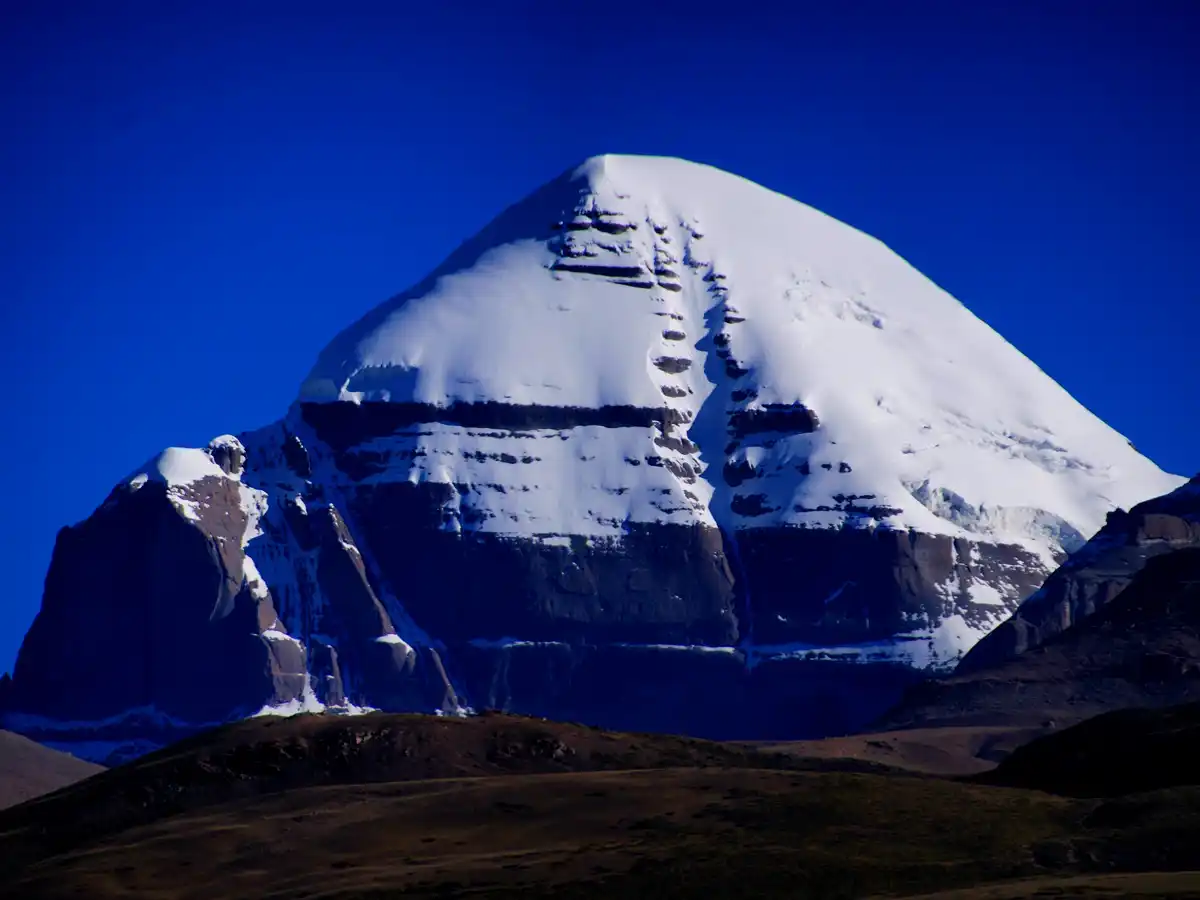
The Lhasa Kailash Tour, also known as the "Lhasa to Mount Kailash Tour" or "Tibet Mount Kailash Tour," is a spiritual journey from Lhasa to the sacred Mount Kailash. Starting near the Potala Palace, the heart of Tibetan Buddhism, travelers explore monasteries, temples, and traditional Tibetan villages. The tour showcases breathtaking landscapes, including high-altitude plains, turquoise lakes, and snow-capped mountains. At Mount Kailash, sacred in Hinduism, Buddhism, Jainism, and Bonpo, participants can take part in ancient rituals and the Kailash kora. Combining culture, spirituality, and stunning scenery, this tour offers a life-changing Tibetan adventure.

The Lhasa Kailash Tour is an extraordinary journey through the heart of Tibet, combining breathtaking scenery with profound cultural and spiritual experiences. The tour begins in Lhasa, Tibet's historic capital, and includes visits to iconic landmarks such as the Potala Palace, Jokhang Temple, Sera Monastery, and Norbulingka Summer Palace, as well as the vibrant Barkhor Market, where you can experience traditional Tibetan culture. Travelers then travel to Gyantse and Shigatse, where they will see ancient monasteries, breathtaking architecture, and culturally significant sites.

The Lhasa Kailash Tour begins with the turquoise waters of Yamdrok Lake and continues to the sacred Mount Kailash, which is revered in Buddhism, Hinduism, and Jainism. Pilgrims gather here to participate in the Kailash kora, a spiritually transformative ritual that involves walking around the holy peak. The journey continues to the serene Lake Manasarovar, one of the world's highest freshwater lakes, which provides an opportunity for reflection and connection with Tibet's spiritual heritage.

This Tibet Lhasa Kailash Tour covers approximately 1,200 kilometers, passing through Lhasa, Gyantse, Shigatse, Saga, Darchen, and the shores of Lake Manasarovar, providing travelers with unparalleled overland views of the Himalayas, high-altitude deserts, and remote nomadic settlements. Scenic drives along the G219 National Highway reveal breathtaking scenery, from snow-capped peaks and glacial lakes to golden grasslands populated by yaks and Tibetan antelope. Throughout the tour, visitors interact with the friendly Tibetan people, gaining authentic insights into their rich culture, traditions, and daily life.

The Lhasa to Mount Kailash tour is perfect for adventurers, spiritual seekers, and culture lovers seeking an unforgettable tour of Tibet's heart. This immersive experience includes visits to the Potala Palace, Jokhang Temple, and Sera Monastery, sacred rituals like the Kailash kora, and stunning natural landscapes like Yamdrok Lake, Lake Manasarovar, and the Himalayas. Visit high-altitude plains, nomadic settlements, and dramatic canyons to experience Tibetan culture, spirituality, and daily life. This tour's sunrise over Manasarovar, golden Paryang sand dunes, and Mount Kailash's glowing North Face are meant to inspire awe, reflection, and a lasting connection to Tibet's spiritual and natural wonders.

Lhasa Kailash Tour

Tibet-Lhasa Kailash Tour Highlights

Region

Tibet

Duration

14 Days

Group Size

2-15 Pax

Activities

Tour

Transportation

Plane l Overland

Accommodation

Hotel l Lodge l Guesthouse

Meal Plan

BB l AP

Trip Grade

Strenous

Max. Altitude

5,630m

Best Season

May - September

Competency

Physically Fit


Trip Itinerary

  • 01

    Fly: Kathmandu to Lhasa (3,650m)

    In the morning, embark on a scenic one-hour international flight from Kathmandu to Lhasa, offering breathtaking aerial views of the majestic Himalayan ranges, including some of the world’s highest peaks. Lhasa, the revered capital of Tibet, sits at an altitude of 3,656 meters (11,990 feet) on the northern bank of the Kyichu River, offering a blend of natural beauty and spiritual charm.

    Upon arrival at Gonggar Airport, you will be warmly welcomed by a local representative who will assist with your transfer to your hotel in Lhasa, approximately 60 kilometers away, which takes around an hour. During the drive, enjoy spectacular views of the Yarlung Tsangpo River (also known as the Brahmaputra River) meandering through the Tibetan plateau and catch glimpses of Lhasa city as it gradually comes into view, blending modern life with centuries-old traditions.

    After checking into your hotel, spend the afternoon resting to acclimatize to Lhasa’s high altitude and recover from your journey. Take this time to enjoy the serene atmosphere, admire the surrounding landscapes, or simply relax in preparation for the exciting cultural exploration ahead. Your overnight stay will be at a comfortable hotel in Lhasa, setting the stage for the start of your Nepal-Tibet adventure.

    Transfer: 60 km, 1 hour | Accommodation: Hotel |
  • 02

    Lhasa City Tour

    After a nourishing breakfast, your day begins with a detailed briefing from your experienced guide, outlining the day’s immersive journey through the heart of Lhasa. Prepare to explore a city steeped in spiritual significance, history, and vibrant local culture.

    • Sera Monastery – Insights into Tibetan Buddhism: Start your exploration at the famed Sera Monastery, one of the great monastic universities of Tibet. Here, your guide will introduce you to the essential teachings of Tibetan Buddhism, offering a deeper understanding of monastic life, religious practices, and the philosophical underpinnings that have shaped Tibetan culture for centuries. Witness the lively debates of the monks, a unique and fascinating tradition rarely seen outside Tibet.
    • Norbulingka—The Dalai Lama’s Summer Retreat: Next, visit Norbulingka, the exquisite summer palace of the Dalai Lamas. Completed in 1956, this sprawling garden and palace complex features intricate carvings, murals, and Tibetan architectural splendor. Your guide will share stories of the Dalai Lama’s life and the historical significance of this serene retreat, where both spiritual and cultural life flourished.
    • Jokhang Temple – A Window into Spiritual Heritage: Continue to the sacred Jokhang Temple, the spiritual heart of Lhasa. Dating back to the 7th century, this revered temple houses countless Buddhist relics and statues. Your guide will illuminate its historical, religious, and cultural importance, offering insight into why Jokhang remains a vital pilgrimage site for Tibetan Buddhists from across the region.
    • Barkhor Square – The Vibrant Heart of Lhasa: Conclude your tour with a stroll through Barkhor Square, the bustling center of Lhasa’s daily life. Experience the rhythmic flow of pilgrims, locals, and merchants, and observe traditional Tibetan crafts, prayer wheels, and vibrant street scenes. This lively square provides an authentic glimpse into the local culture and contemporary urban life.

    After a day rich with history, spirituality, and cultural immersion, your guide will escort you back to your hotel. Take time to reflect on the wonders you’ve encountered as you prepare for the next chapter of your Tibetan journey.

    Accommodation: Hotel | Meal: Breakfast
  • 03

    Lhasa City Tour

    Begin your day with an early breakfast, ready to embark on a remarkable journey led by your guide to the captivating Potala Palace. This magnificent structure commands attention against the Lhasa skyline.

    • Potala Palace – Majestic Wonder: Guided by your expert, you'll venture to the grand Potala Palace. Its striking presence dominates Lhasa's views. As you explore its ancient chambers, you'll be immersed in the finest Tibetan artistry. The palace boasts intricate murals showcasing Tibetan craftsmanship, alongside stunning statues that offer insights into Tibet's rich heritage. During your visit, you'll even have the privilege to witness the resting places of the eight Dalai Lamas, an experience of profound historical and cultural importance.
    • Drepung Monastery – Tranquil Sanctuary: Continuing your exploration, you'll visit the serene Drepung Monastery. Here, you can absorb the tranquil atmosphere while observing monks and nuns engaged in spiritual practices like chanting and religious discussions. The monastery's serene surroundings further enhance the sense of peace.

    After a fulfilling day of cultural immersion, your guide will escort you back to your hotel for rest and rejuvenation. Use this time to reflect on the enriching experiences you've encountered, preparing for the exciting adventures that lie ahead.

    Note: The Potala Palace has a daily visitor limit, which may affect the sightseeing order. Trust your guide to craft a captivating experience, adjusting based on the available opportunities.

    Accommodation: Hotel | Meal: Breakfast
  • 04

    Drive to Gyantse (4,020m)

    Departing from Lhasa in the morning, you head southwest along the Lhasa River toward the confluence of the Yarlung Tsangpo (Brahmaputra), making your first major climb at Kamba La Pass (4,794  m / 15,728 ft). From the prayer-flag-strewn summit, the turquoise expanse of Yamdrok Lake comes into view, with the massive 7,191 m peak of Mt. Nojin Kangtsang looming in the distance. Descending from the pass, the road runs alongside the sacred lake, offering opportunities to walk along the shore or photograph local Tibetan Mastiffs and decorated yaks. Midday, you stop for lunch in Nakartse, a small town with traditional teahouses serving thukpa and yak butter tea. In the afternoon, the journey continues toward Gyantse, passing the spectacular Karola Glacier (5,010 m / 16,437 ft), visible directly from the highway, and the Simi La Pass, near the turquoise Manak Reservoir, before descending into the fertile Gyantse valley. Arrival in Gyantse is marked by the imposing Gyantse Dzong perched on a rocky crag, overlooking the town. Key sites for exploration include Pelkor Chöde Monastery, home to three Tibetan Buddhist sects, and the Gyantse Kumbum, Tibet’s largest stupa with nine tiers, 77 chapels, and over 10,000 intricate murals.

    Transfer: 280 km, 6-8 hours | Accommodation: Guest House | Meal: Breakfast
  • 05

    Drive to Shigatse (3,840m)

    In the morning, before heading to Shigatse, you will explore the "Heroic City" of Gyantse, known for its traditional charm and beautiful architecture. Start with Pelkor Chöde Monastery and the impressive Gyantse Kumbum, a multi-story “thousand Buddha” stupa with 77 chapels decorated with 15th-century Newari and Tibetan murals that move from simple to more spiritual themes. Visit the Main Assembly Hall, unique for once housing monks from the Sakya, Kagyu, and Gelug schools together. Then, hike up to the ruins of Gyantse Dzong, a fortress that symbolizes Tibetan resistance during the 1904 British expedition, offering wide views of the whitewashed town and the fertile plains below. Leaving Gyantse, the road goes into the Nyang Chu River Valley, known as Tibet’s granary, with golden barley and mustard fields, traditional farmhouses topped with dried yak dung and prayer flags, and farmers working with yaks or tractors. About 20 km before Shigatse, an optional stop at Shalu Monastery reveals a hidden gem with a mix of Tibetan and Chinese-style architecture and 14th-century murals influenced by Nepalese and Yuan art. Arriving in Shigatse, Tibet’s second-largest city and home of the Panchen Lama, visit Tashilhunpo Monastery, one of the “Great Six” Gelug monasteries, and the Chapel of Jampa to see the huge 26-meter gilded bronze statue of the Future Buddha decorated with diamonds, pearls, and turquoise. End the day with a walk along the monastery’s kora circuit for views of the Shigatse Dzong and city, and explore the local market to see traditional crafts, turquoise jewelry, and Tibetan snacks, experiencing the rich culture of the region.

    Transfer: 95 km, 2-3 hours | Accommodation: Guest House | Meal: Breakfast
  • 06

    Drive to Rongbuk Monastery (5,150m)

    In the morning, you leave Shigatse (3,840 m) and follow the Friendship Highway (G318) west through wide river valleys and farmland before starting the day’s climbs. The first big pass is Tsola Pass (4,500 m), where you can enjoy views of the dry mountains and clear blue skies. About 150 km from Shigatse, you reach Lhatse (4,050 m), a dusty town and traditional lunch stop, where you can try Sichuan dishes or Tibetan momos. After lunch, you cross Gyatso La Pass (5,248 m), the highest point on the highway, with a gate and many prayer flags. On a clear day, Mount Everest (8,848 m) appears on the horizon, flanked by Lhotse and Makalu. Soon after, you reach Shegar (New Tingri), the checkpoint for the Qomolangma National Nature Preserve, where permits are checked. Turning toward Everest, the road climbs Pang La Pass (5,200 m) and its famous “Hundred Switchbacks,” giving amazing views of five 8,000-meter peaks—Everest, Lhotse, Makalu, Cho Oyu, and Shishapangma—in a row. In the afternoon, you pass Tashi Dzom, one of the last high-altitude villages, and switch to eco-friendly electric buses for the final 20 km to protect the fragile environment. The road follows the Dzakar Chu Valley, narrowing as Everest’s North Face looms ahead, until you reach Rongbuk Monastery, the highest monastery in the world, founded in 1902. From the stupa in front of the monastery, you get the classic view of Everest, and at sunset, the North Face glows orange and pink, with the permanent summit plume often visible, creating an unforgettable Himalayan scene.

    Transfer: 340 km, 6-7 hours | Accommodation: Guest House | Meal: Breakfast
  • 07

    Hike to Everest Base Camp (5,200m). Drive to Saga (4,450m)

    The day begins at Rongbuk Monastery, the highest monastery in the world, where the crisp, thin air sets the tone for the morning adventure. From here, you hike about 8 km to Everest Base Camp (5,200 m) along a gentle path through a moraine-filled valley, surrounded by barren, windswept landscapes and towering snow-capped peaks, with the North Face of Everest rising dramatically ahead. At the Base Camp marker, the scale of the mountain is overwhelming, with clear views of the Rongbuk Glacier and the climbing routes used by historic expeditions. After the trek, you drive to Saga (4,450 m), crossing high passes such as Lalung La (5,050 m) and Tong La (5,150 m), where colorful prayer flags flutter in the wind, and pass Old Tingri with last views of Everest, Lhotse, Makalu, and Cho Oyu. Along the way, you see the stunning turquoise Pelkhu Tso Lake (4,600 m) beneath Shishapangma and cross the mighty Yarlung Tsangpo River (Brahmaputra), which supports local nomadic communities. Finally, you arrive in Saga, a key junction town for pilgrims heading to Mount Kailash and travelers exploring western Tibet, offering a chance to rest, refuel, and reflect on the transition from the high peaks of Everest to the wide-open Tibetan plateau.

    Transfer: 330 km, 6-7 hours | Accommodation: Guest House | Meal: Breakfast
  • 08

    Saga to Manasarovar Lake (4,590 m)

    After breakfast, the drive begins early from Saga, heading west along the G219 National Highway, following the Yarlung Tsangpo River through vast open steppe where yaks and Tibetan gazelles graze beneath the snow-capped Gangdise Range. Approaching Zhongba and Paryang, the green grasslands transform into the golden sand dunes of the high-altitude "Paryang Desert," with turquoise glacial lakes and white peaks nearby. After a stop in Paryang to rest and eat, the road climbs steeply over the Mayum La Pass at 5,211 meters, a high point marked by prayer flags and the divide between the Brahmaputra and Sutlej river systems. Descending from the pass, travelers pass the green lake Gongzhucuo and, on a clear day, get their first holy glimpse of Mount Kailash rising like a white pyramid, with Mount Namunani standing guard to the south. The day ends at the shores of Lake Manasarovar, one of the world’s highest freshwater lakes, with its changing blue and turquoise waters, while nearby Rakshas Tal, a saltwater lake, lies quietly. Most stay near Chiu Monastery, perched on a steep hill, offering a perfect spot to watch the sunset over the lake with Mount Kailash towering in the background.

    Transfer: 500 km, 7-9 hours | Accommodation: Guest House | Meal: Breakfast
  • 09

    Manasarovar Lake to Darchen (4,670 m)

    The day begins at Chiu Monastery, perched on a cliff above Lake Manasarovar, where travelers often watch the sunrise over the turquoise waters, Mount Namunani to the south, and Mount Kailash to the north, sometimes collecting holy water or saying a final prayer before departing. The drive crosses the Barkha Plain, a vast, high-altitude grassland separating Manasarovar from Rakshas Tal, where Tibetan wild asses (Kyang) may be seen, and the scale of the landscape makes vehicles feel tiny. Turning north toward the Gangdise Range, the South Face of Mount Kailash comes into view, including its natural "swastika" formation and the jagged Nandi peak. The journey ends in Darchen (4,670m), a busy frontier town and base for Kailash treks, where pilgrims, nomads, and trekkers mingle, supplies and porters are arranged, and travelers acclimatize for the upcoming Drolma La Pass.

    Transfer: 50 km, 1 hour | Accommodation: Guest House | Meal: Breakfast
  • 10

    Trek to Dirapuk (5,080 m)

    The trek begins at the western edge of Darchen, climbing a high ridge that offers panoramic views of the Barkha Plain and the blue waters of Lake Manasarovar and Rakshas Tal. Along the way, trekkers pass the sacred 84 Mahasiddhas sky burial site and the Tarboche flagpole in Sershong, draped with colorful prayer flags. After a light breakfast and filling water bottles, pilgrims can visit Yamadwar, the Gate of the God of Death, believed to purify the soul before entering the sacred realm of Kailash. From Tarboche, where horses and ponies can be rented, the trek to Dirapuk Gompa begins gently along the glacial Lha-chu River, gradually ascending through the Lha-chu Valley toward the West Face of Mount Kailash. The dramatic Chuku Monastery, perched high on a cliff with waterfalls below, marks a scenic highlight along the way. The trail continues through the Valley of Rocks, past Mani walls carved with prayers, with Himalayan marmots and soaring Lammergeiers visible in the rugged landscape. Midway, trekkers can pause at small shops or a tea stall before continuing the climb. The day concludes at Dirapuk Monastery at 5,080 meters, where the North Face of Mount Kailash rises like a colossal pyramid, and at sunset, the “Golden Kailash” phenomenon illuminates the ice in amber hues. After arriving at the guesthouse, trekkers rest and enjoy a light dinner, preparing for the colder nights and high-altitude trek ahead.

    Trekking: 19 km, 6-8 hours | Altitude Gain: 480 m | Altitude Loss: 80 m | Accommodation: Guest House | Meal: Breakfast
  • 11

    Cross Dolma La Pass (5,630m). Trek to Zutulpuk (4,790km)

    The day begins in the pre-dawn darkness, leaving Dirapuk Monastery around 4–5 AM, crossing a small wooden bridge over the Lha-chu River before starting the steep climb through the Valley of Death. The massive North Face of Mount Kailash looms to the right, its glaciers glowing silver-blue in the moonlight. Along the way, pilgrims pause at Jarok Donkhang to symbolically shed the ego, and at Shiva-tsal, many lie on the cold rocks to visualize letting go of worldly attachments. The final, grueling ascent to Drolma La Pass at 5,630 meters challenges every step with thin air and loose scree, but the summit rewards with a sea of colorful prayer flags, a massive boulder dedicated to Tara, and breathtaking views of Kailash and the eastern Trans-Himalaya. The descent to Gauri Kund, the Lake of Compassion, is steep and technical, with pilgrims often sprinkling the ice-cold waters on themselves, before the trail levels out into the Valley of Miracles, a long winding meadow filled with alpine grass, wildflowers, yaks, and glimpses of the East Face of Kailash. The day concludes at Zutulpuk Monastery, the "Cave of Miracles," built around Milarepa’s legendary cave, where trekkers and pilgrims rest and reflect, celebrating the completion of the "death and rebirth" journey across the sacred pass.

    Trekking: 18 km, 7-9 hours | Altitude Gain: 550 m | Altitude Loss: 840 m | Accommodation: Guest House | Meal: Breakfast
  • 12

    Trek to Darchen. Drive to Saga (4,450m)

    The final day begins at Zutulpuk Monastery, the "Cave of Miracles," with a gentle, meditative trek along the Zhong-chu River. The trail winds through a dramatic canyon carved from red granite, passing sacred sites with revered footprints of the Buddha and legendary saints. As the canyon opens, the vast Barkha Plain reappears, and shimmering glimpses of Lake Manasarovar and Rakshas Tal guide trekkers to the edge of the plain, where the 52-kilometer Kailash kora concludes with a final "Darshan" of the South Face of the mountain. From there, travelers reunite with their vehicle in Darchen for the long drive back to Saga. The journey retraces the G219 National Highway across the high-altitude plateau, crossing once again over the Mayum La Pass and descending into the Brahmaputra (Yarlung Tsangpo) river basin. Along the way, the golden Paryang sand dunes, turquoise glacial lakes, and snow-capped peaks offer unforgettable vistas, while nomadic settlements and grazing Kyang and Tibetan Antelope provide glimpses of traditional highland life. The road eventually follows the upper reaches of the Yarlung Tsangpo, reflecting the afternoon sun in braided channels, before arriving in Saga at 4,450 meters. After three nights of high-altitude trekking and basic guesthouses, Saga’s relative comfort—with hot showers, varied food, and slightly lower altitude—offers a welcome opportunity to rest and recover.

    Trekking: 10 km, 3-4 hours | Altitude Gain: 50 m | Altitude Loss: 160 m | Transfer: 490 km, 7-9 hours | Accommodation: Guest House | Meal: Breakfast
  • 13

    Drive to Kyirong (2,800m)

    Leaving Saga, you follow the Yarlung Tsangpo (Brahmaputra) valley, passing wide sandy riverbeds, rolling golden grasslands, and distant views of the Trans-Himalayan ranges, with occasional nomadic camps and herds of yaks and sheep grazing along the way. As the road turns south toward the border, you climb high passes such as Gongtang La (5,236 m), with breathtaking views of Shishapangma (8,027 m), the only 8,000-meter peak entirely in Tibet, its glaciers and jagged ridges visible above the turquoise Pelkhu Tso Lake. After cresting the final passes, the landscape changes dramatically as you descend from over 5,000 meters to around 2,800 meters into the Kyirong Tsangpo Gorge, where narrow valleys, massive granite walls, and cascading waterfalls signal the start of the Himalayas’ steep descent. Entering Kyirong, historically called the “Valley of Happiness,” the dry plateau gives way to dense forests of pine, oak, and rhododendron, terraced barley and mustard fields, and a warmer, more humid climate where travelers can shed heavy jackets. Kyirong Town serves as the main hub before the Rasuwa Gadi border crossing into Nepal, featuring a mix of traditional Tibetan stone architecture and newer trade-focused buildings, with the historic Paba Monastery, built in the 7th century by King Songtsen Gampo, highlighting the deep cultural heritage of this lush valley.

    Transfer: 210 km, 5-6 hours | Accommodation: Guest House | Meal: Breakfast
  • 14

    Private Transportation: Kyirong to Kathmandu

    The day begins with a short but dramatic 25 km descent from Kyirong Town (2,800 m) to the border at Rasuwa Gadi (1,850 m), winding through the lush Kyirong Tsangpo Gorge and passing several Chinese checkpoints before crossing the Resuo Bridge, which marks the China–Nepal boundary. On the China side, you exit Tibet, surrender your Tibet travel permit, and pass through customs, while on the Nepal side, you walk across the Friendship Bridge and clear immigration and customs, obtaining your Nepal entry visa if needed. From there, the journey continues in a 4WD jeep through Langtang National Park, where the narrow, winding road along the Trishuli River valley passes sheer cliffs, waterfalls, and dense forests of oak, maple, and rhododendron, with rough unpaved sections adding to the adventure. About 2–3 hours from the border, you reach Dhunche (1,960 m) for lunch, enjoying the last views of the Ganesh Himal and Langtang Lirung peaks. As you descend into the middle hills toward Bidur and Battar, the climate warms and the landscape turns into terraced fields of rice, millet, and maize, with roadside markets and villages showcasing the daily lives of local Tamang and Brahmin-Chhetri communities, while the turquoise Trishuli River flows alongside. The road then climbs toward the Kathmandu Valley, passing hill stations like Kakani with panoramic Himalayan views, before entering the city via Balaju, where the quiet forested hills give way to the bustling streets, red-brick buildings, and pagoda temples of the capital. The journey concludes in Thamel or at your hotel, where hot showers, diverse food, and the energy of Kathmandu provide a welcome contrast to the silence and rugged beauty of the Tibetan plateau and high mountain roads.

    Transfer: 165 km, 8-10 hours | Meal: Breakfast
Included in package cost
  • Private Airport Transportation: Enjoy the convenience of our chauffeured vehicle services for seamless airport pick-up and drop-off in Lhasa.
  • Accommodation in Lhasa: Indulge in a three-night stay at our carefully selected hotels in Lhasa. Experience the comfort of twin-sharing arrangements and relish a delectable Bed and Breakfast (BB) plan.
  • Tibet Travel Permits: Your journey is our priority. We handle all essential Tibet travel permits, ensuring a hassle-free expedition on your part.
  • Private Transportation: Traverse Tibet in style with our private transportation options, including vans, Hiaces, and buses, tailored to your preferences.
  • Accommodation during Kailash Tour: Embrace the charm of Tibet with our top-tier guesthouses and lodges at twin-sharing arrangements including breakfast, lunch and dinner.
  • Entrance Fees: Entrance fees of Kailash's beauty without worry – we cover admission fees for Kailash and the Grass Dame.
  • Expert English-speaking Tibetan Guide: Your journey is enriched by the guidance of our proficient English-speaking Tibetan guide. Their extensive training and experience guarantee an insightful exploration.
  • All-Inclusive Sightseeing: Immerse yourself in Tibet's cultural treasures. We comprehensively cover fees for sightseeing and monastery visits as meticulously outlined in the provided itinerary.
  • Logistics with Yaks and Yakmen: Embrace the authenticity of the circuit of Mount Kailash. Our expertly arranged Yaks and Yakmen effortlessly transport baggage, food, fuel, and other necessities, enhancing your journey.
  • Taxes and Service Charges: Enjoy a worry-free experience with all applicable taxes and service charges already taken care of. There are no hidden costs, allowing you to focus solely on your exploration.
Not included in package
  • Lunch and Dinner Experiences in Tibet: Indulge in authentic Tibetan cuisine during your stay. Enjoy the flavors of the region as you savor delicious lunches and dinners, immersing yourself in the local culinary scene.
  • Hotel Accommodation in Kathmandu: Experience a comfortable stay in Kathmandu with our carefully selected hotel accommodations. Rest and prepare for your journey in a relaxed and welcoming environment.
  • Tibet Group Visa Processing: Let us take care of the necessary paperwork for your Tibet Group Visa. Our team will assist you in obtaining the visa, ensuring a smooth entry into Tibet.
  • International Air-tickets: Kathmandu to Lhasa: Travel conveniently from Kathmandu to Lhasa via air, with a flight ticket included in the package. Experience a seamless transition between these two stunning destinations.
  • Personal Insurance Coverage: Prioritize your safety with comprehensive personal insurance coverage. This includes travel, accident, medical, emergency evacuation, and coverage for lost luggage, ensuring peace of mind throughout your journey.
  • Personal Nature: While we take care of most aspects of your journey, please note that personal expenses such as aerated drinks, beverages, laundry, postage, telephone usage, and similar items are not included in the package.
  • Gratuities and Bonuses: The dedication of our guides and staff is truly appreciated. If you feel inclined to express your gratitude, you're welcome to offer tips or bonuses at your discretion, showcasing your appreciation for excellent service.
  • Extra expense: If extra help like Yaks, horses and porters is necessary for some clients, the local guide will help to arrange but clients have to decide the day before the trekking.

Trip Map

Photo Gallery

Captcha Image
Do you think that you need a tailor made package?
Need to know more about this trip?
Ethic Himalaya is

affiliated to & recognized by

various government, non government and tourism related organizations.