• Nepal Adventure Trekking & Tour Operator

Lobuche East Peak

Activities
Trekking and Climbing

Lobuche East Peak Climbing

Lobuche East Peak Climbing, also known as “Lobuche East,” “Climbing Lobuche East Peak,” or “Lobuche Peak Climbing,” is a highly sought-after trekking peak adventure in Nepal’s renowned Everest region. The name “Lobuche East” distinguishes it from the more technical Lobuche West, which lies nearby. Popular for its accessibility and dramatic high-altitude scenery, Lobuche East rewards climbers with sweeping panoramic views of the Himalayan range. It is also widely regarded as an ideal training peak for mountaineers preparing for higher objectives, including Mount Everest, which provides invaluable knowledge about alpine techniques, acclimatization, and summit strategy.

Lobuche East Peak, located in Nepal’s stunning Khumbu region, is one of the most popular trekking peaks in the Everest region. Rising to an elevation of 6,119 meters (20,075 feet), Lobuche East attracts mountaineers seeking a challenging climb paired with breathtaking Himalayan scenery. Its neighboring summit, Lobuche West (6,145 meters), is slightly higher and more technical, making Lobuche East the preferred choice for climbers due to its relative accessibility and rewarding ascent.

The Lobuche East Peak climbing expedition typically begins with a scenic flight to Lukla, followed by a classic trek through traditional Sherpa villages and the picturesque Khumbu Valley. After essential acclimatization at Lobuche Base Camp, climbers encounter steep snow slopes, icy ridgelines, and exposed sections that demand both physical endurance and mental focus. A key highlight of the climb is the well-known false summit, a deceptive snowy ridge that appears to be the top before the final push. The last section requires technical climbing skills, concentration, and determination. From the summit, climbers are rewarded with panoramic views of Mount Everest, Lhotse, Nuptse, and surrounding Himalayan giants.

The first officially recorded ascent of Lobuche East Peak was achieved in 1984 by Laurence Nielson and Ang Gyalzen Sherpa, marking an important milestone in Himalayan mountaineering history. While local Sherpas may have summited earlier, the absence of formal records adds a sense of mystery and allure to the peak, further enhancing its reputation among adventure seekers worldwide.

Lobuche East is frequently combined with major Himalayan objectives such as the Everest Expedition, the Lhotse Expedition, the Everest Base Camp Trek, or Island Peak, making it an excellent addition to a broader Himalayan adventure. With its demanding climb, spectacular mountain views, and deep immersion in Sherpa culture, Lobuche East Peak remains an unforgettable destination for climbers and trekkers seeking a true high-altitude experience in Nepal.
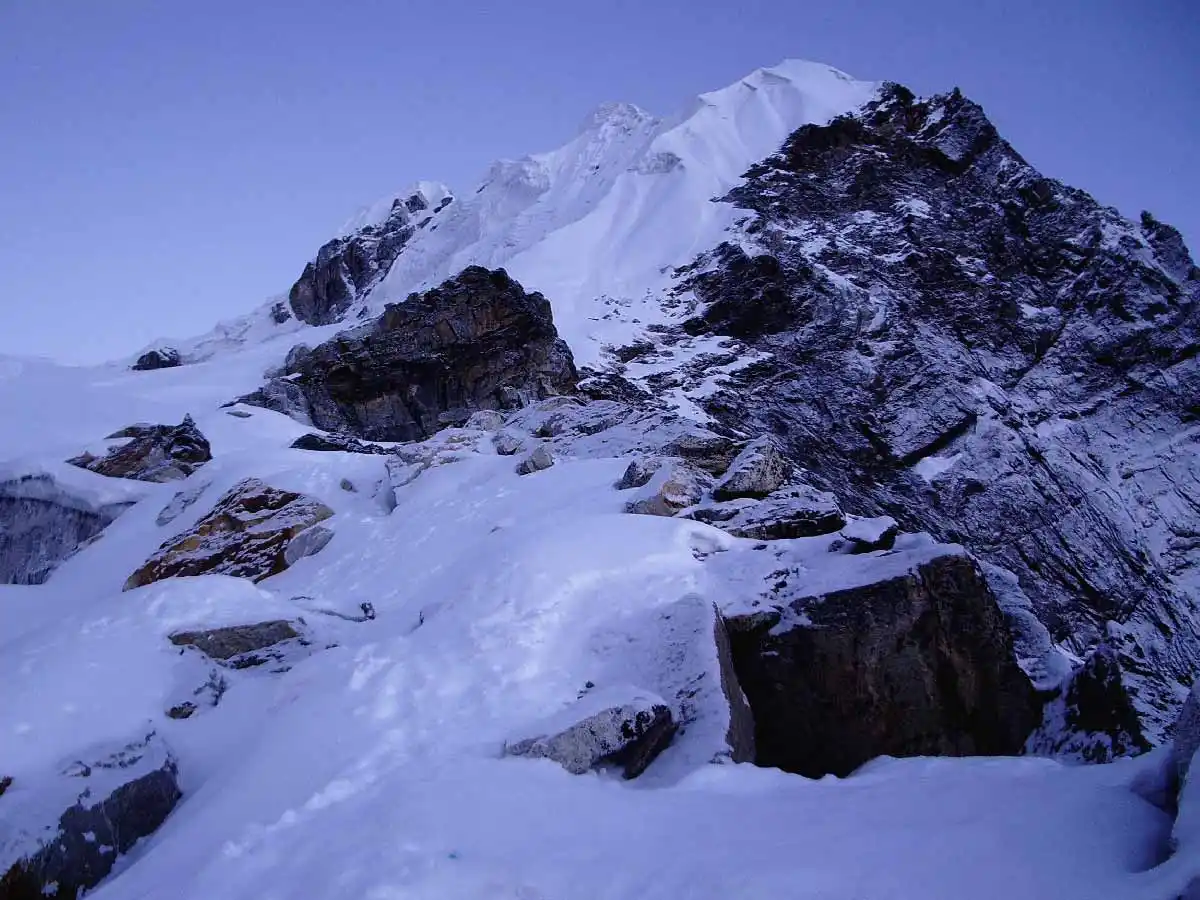
Lobuche East Peak

Lobuche East Peak Highlights

Region

Everest

Duration

22 Days

Starting Price

USD 3,800

Group Size

5 Person

Activities

Trekking and Climbing

Transportation

Helicopter

Accommodation

Hotel, Lodge and Tent

Meal Plan

Lodge l Camping

Trip Grade

PD+

Max. Altitude

6,119m

Best Season

Spring and Autumn

Trip Hours/Day

4-9 Hours

Competency

Physically Fit

GPS Location

27°57′34.2″N 86°47′23.8″E


Trip Itinerary

  • 01

    Arrive in Kathmandu

    Our representative from Ethic Himalaya will be present to greet you upon your arrival in Kathmandu and ensure that your transfer to your hotel goes off without a hitch. We look forward to meeting you and providing you with a warm welcome. We have planned a special welcome dinner in the evening to help you start your journey on a positive note. This memorable dinner will feature a variety of authentic Nepalese cuisine, as well as a heartwarming welcome drink to help you embrace the local culture.

    Transfer: 30-45 min | Accommodation: Hotel | Meal: Welcome Dinner
  • 02

    Full day City Tour in Kathmandu Valley

    Today, you will have the opportunity to explore Kathmandu with our experienced city tour guide. Our itinerary includes several remarkable sites:

    • SWOYAMBHUNATH, also known as the Monkey Temple, is perched atop a hill and can be reached by climbing a long set of steps. From there, you can enjoy breathtaking panoramic views of Kathmandu.
    • BOUDHANATH STUPA is adorned with traditional Gompas adorned with vibrant prayer flags. It serves as a focal point for Sherpas and Tibetans who partake in the spiritual practice of circumambulating the stupa (koras).
    • PASHUPATINATH, a sacred Hindu temple, is situated on the banks of the Bagmati River and features ghats where cremation ceremonies take place, offering a unique glimpse into Hindu rituals.
    • KATHMANDU DURBAR SQUARE, one of the ancient capitals of the Kathmandu Valley, is a UNESCO World Heritage Site. This vibrant square showcases a harmonious fusion of Hindu and Buddhist temples, showcasing the rich cultural heritage of the region.

    With our knowledgeable guide, you will learn about the historical, religious, and architectural significance of these iconic sites. Be ready to fall in love with Kathmandu's unique charm and spiritual atmosphere.

    Sightseeing: 7-8 Hours | Accommodation: Hotel | Meal: Breakfast
  • 03

    By a Private Helicopter: Kathmandu to Lukla (2850m). Trek to Phakding (2650m, 3hrs).

    After breakfast in Kathmandu, your Everest adventure begins with a scenic 45-minute private helicopter flight to Lukla (2,850 m). This spectacular Himalayan flight offers breathtaking aerial views of terraced hillsides, deep river valleys, and the dramatic peaks of the Langtang, Ganesh Himal, Rolwaling, and Everest ranges. You will land at the iconic Tenzing-Hillary Airport, one of the world’s most famous mountain airstrips, where you meet your trekking crew and begin your journey on foot.

    Meet your porters and begin an easy, scenic trek descending from Lukla to Phakding, passing charming Sherpa villages like Chheplung, Thado, Nurningle, and Chhuthawa. Along the well-maintained trail, enjoy panoramic valley views, pine forests, and rhododendron blooms while encountering dzos and mules on the path. Along the route, you will pass mani walls carved with sacred Buddhist mantras, cross suspension bridges decorated with prayer flags, and walk beside the rushing Dudh Koshi River. Towering above the valley is the sacred peak Kumbila (5,716 m), revered by the Sherpa community. After approximately 3 to 4 hours of trekking (about 8 km), you will arrive in Phakding (2,650 m), a peaceful riverside village surrounded by lush forested hills. This relaxing first trekking day allows gradual acclimatization while introducing you to the natural beauty and cultural richness of the Khumbu Valley.

    Transfer: 30 min | Trekking: 3-4 Hours  | Distance: 8 km | Altitude Gain: 220 m | Altitude Loss: 390 m l Accommodation: Luxury Lodge l Meal: Breakfast, Lunch, Dinner
  • 04

    Phakding to Namche Bazar (3450m, 5hrs).

    After breakfast in Phakding, the trek to Namche Bazaar marks a dramatic and rewarding transition into the high Himalayas. The trail begins with a scenic walk along the banks of the Dudh Koshi River, passing through the picturesque, waterfall-lined village of Benkar before reaching Monjo (2,835 m), the official entrance to Sagarmatha National Park. Continuing north, the route follows the river to Jorsale, where trekkers enjoy a final riverside lunch before tackling one of the most iconic sections of the Everest trail. The path crosses the legendary Hillary Suspension Bridge, suspended high above the Dudh Koshi gorge. Shortly beyond, the trail reaches the confluence of the Imja Khola and Bhote Koshi rivers, signaling the start of a steep and sustained ascent toward Namche Bazaar. The challenging uphill climb winds through dense pine and rhododendron forests and takes approximately two hours to complete. On clear days, a scenic clearing along the trail rewards trekkers with their first glimpse of Mount Everest, peeking above the Lhotse–Nuptse ridge—an unforgettable milestone of the journey. The trail eventually levels out to reveal the spectacular, horseshoe-shaped amphitheater of Namche Bazaar (3,440 m), the bustling commercial and cultural heart of the Khumbu region. A prosperous Sherpa town and historic trading center, Namche is known for its lively Saturday market, cozy cafés, mountain bakeries, and excellent trekking facilities—making it the perfect place to rest and acclimatize.

    Trekking: 5-6 Hours | Distance: 10 km  | Altitude Gain: 910 m  | Altitude Loss: 140 m | Accommodation: Luxury Lodge l Meal: Breakfast, Lunch, Dinner
  • 05

    Acclimatization Day in Namche

    Today is a crucial rest and acclimatization day on the Everest Base Camp trek, allowing your body to adjust to high altitude and reduce the risk of altitude sickness before the challenging days ahead. The day features a scenic 3-hour hike from Namche Bazaar to Syangboche (3,760 m), offering breathtaking panoramic views of Mount Everest, Lhotse, and Ama Dablam. The trek begins with a steep climb to the Syangboche Airstrip (3,780 m) and continues to the iconic Hotel Everest View (3,880 m), where you can enjoy tea while taking in the spectacular Himalayan vistas. From this high point, the trail descends through the Green Valley to Khunde (3,840 m), home to the historic Hillary Hospital and a serene monastery overlooking terraced stone-walled fields, before connecting to the neighboring village of Khumjung (3,790 m), famous for the first Hillary School and the legendary Yeti Scalp housed in its monastery. The day concludes with a scenic hillside walk offering views of Thamserku and Kantega, gradually descending back into Namche Bazaar for a well-earned rest and the chance to explore local cafés and mountain bakeries.

    Trekking: 4-5 hours | Distance: 8 km | Altitude Gain: 530 m | Altitude Loss: 520 m | Accommodation: Luxury Lodge l Meal: Breakfast, Lunch, Dinner
  • 06

    Namche to Phortse Tenga (3,600m)

    After breakfast in Namche Bazaar, the trek starts with a gentle uphill walk to a wide “Nepali flat” trail leading toward Kyangjuma (3,550 m), where you enjoy clear views of Mount Everest, Ama Dablam, and Thamserku; at the Sanasa junction, the trail leaves the busy Everest Base Camp route and climbs steadily to Mong La Pass (3,975 m), a scenic ridge marked by a traditional chorten and beautiful views of the Dudh Koshi valley, before descending about 400 meters through peaceful rhododendron and pine forests—home to birds like the Danphe and wildlife such as Himalayan musk deer—down to the riverside settlement of Phortse Tenga (3,680 m), making this quiet and scenic route toward Gokyo Lakes a great choice for trekkers who want nature, Sherpa culture, and stunning mountain scenery inside Sagarmatha National Park.

    Trekking: 4-5 Hours | Distance: 8.70 km | Altitude Gain: 580 m | Altitude Loss: 410 m | Accommodation: Lodge l Meal: Breakfast, Lunch, Dinner
  • 07

    Phortse Tenga to Machhermo (4,470m)

    After breakfast in Phortse Tenga, the trek to Machhermo begins alongside the rushing Dudh Koshi River, followed by a steady and challenging ascent through dense rhododendron, birch, and moss-covered forests. This scenic trail is rich in Himalayan wildlife, with chances to spot the colorful Danphe (Himalayan Monal) or Himalayan tahr along the way. After approximately two hours of uphill hiking, you reach the traditional village of Dole at 4,110 meters, an ideal midday rest stop where the landscape transitions from lush forest to open alpine terrain. From Dole, the trail continues gradually upward through high-altitude pastures, yak grazing areas, and summer settlements, offering wide Himalayan panoramas. As you approach Machhermo, breathtaking views unfold, with Cho Oyu dominating the skyline ahead, while Thamserku and Ama Dablam rise dramatically behind you. The final stretch crosses a ridge before descending into the grassy basin of Machhermo at 4,470 meters. Machhermo is a peaceful high-altitude village in the Gokyo Valley, known for its stunning mountain setting, local legends of Yeti sightings, and the IPPG Rescue Post, which provides daily afternoon briefings on altitude awareness and safety. This Phortse Tenga to Machhermo trek is an excellent acclimatization day, offering a perfect mix of natural beauty, cultural experience, and gradual altitude gain.

    Trekking: 4-5 hours | Distance: 8.50 km | Altitude Gain: 860 m | Altitude Loss: 60 m | Accommodation: Lodge l Meal: Breakfast, Lunch, Dinner
  • 08

    Machhermo to Gokyo Lake (4,760m)

    After breakfast in Machhermo (4,470 m), the trek to Gokyo begins with a steep climb out of the basin and onto a scenic ridge above the Dudh Koshi Valley. The dramatic north face of Cho Oyu dominates the skyline from here, laying the groundwork for one of Gokyo's most visually satisfying days. The trail leads through open alpine terrain to Pangka, a yak herder's grazing area. After Pangka, the route continues to the terminal moraine of the longest Himalayan glacier, the Ngozumpa Glacier, where the landscape becomes harsh and otherworldly. The sacred Gokyo Lakes are accessible via a rocky climb through the glacier's ablation valley. Taujun Tsho, located on the route to Cho La Pass, has vast turquoise waters, whereas Longpongo, a frozen lake, is frequently visited by Brahminy ducks. The trek concludes at Dudh Pokhari, the stunning third lake, with Gokyo at 4,790 meters on the eastern shore. The lake's emerald waters reflect Cho Oyu and Gyachung Kang, resulting in one of Nepal's most iconic mountain views. Gokyo is an excellent acclimatization stop, with several comfortable lodges offering solar-heated showers and warm dining areas. This moderate but unforgettable trek through dramatic glacial landscapes, tranquil alpine lakes, and peaceful isolation in the heart of the Everest region is ideal for those seeking natural beauty and high-altitude adventure.

    Trekking: 4-5 hours | Distance: 7 km | Altitude Gain: 410 m | Altitude Loss: 40 m | Accommodation: Lodge l Meal: Breakfast, Lunch, Dinner
  • 09

    Excursion to Gokyo Ri (5,357m).

    Your day begins before dawn with a steep ascent to the summit of Gokyo Ri (5,357 m), one of the finest viewpoints in the Everest region. As the sun rises, you are rewarded with a spectacular 360-degree Himalayan panorama featuring Mount Everest, Lhotse, Makalu, and Cho Oyu glowing in the early morning light. Below, the turquoise Gokyo Lakes and the vast Ngozumpa Glacier create a dramatic alpine landscape. After descending back to Gokyo for breakfast, the trek continues north on a relatively gentle trail following the edge of the glacier toward the upper Gokyo Lakes. You first reach the deep-blue Fourth Lake, Thonak Tsho, set against rugged moraine walls, before continuing to the remote Fifth Lake, Ngozumpa Tsho, located at nearly 5,000 meters. A short climb to the nearby viewpoint known as “Scoundrel’s View” reveals an extraordinary perspective of Everest’s north face and the immense glacial basin stretching across the upper Khumbu. The day ends with a scenic return walk to the lakeside village of Gokyo, where you can relax at your lodge and reflect on one of the most rewarding days of the trek. This Gokyo Ri hike and Upper Gokyo Lakes exploration is a must-do experience in the Everest region, combining high-altitude adventure, iconic mountain views, and pristine Himalayan scenery.

    Trekking: 8-10 Hours | Distance: 15.5 km | Altitude Gain: 810 m    | Altitude Loss: 810 m | Accommodation: Lodge l Meal: Breakfast, Lunch, Dinner
  • 10

    Gokyo Lake to Thaknak (4,700m)

    After breakfast in Gokyo, enjoy a short walk around the lake before starting the trek to Thangnak (4,700 m), also known as Dragnag. The trail begins with a steep climb onto the sandy lateral moraine, leading into the shifting, otherworldly terrain of the Ngozumpa Glacier. Trek across giant boulders, loose scree, and milky meltwater ponds, listening to the subtle creaks and groans of the moving ice beneath. After a final scramble up the eastern moraine, the trail levels into a flat valley walk, with spectacular views of Cho Oyu, Gokyo Ri, and surrounding Himalayan peaks. Thangnak is nestled beneath a massive rock wall, offering a vital resting point and acclimatization stop before the challenging Cho La Pass trek. Today is a short but dramatic day that combines raw glacial landscapes, high-altitude adventure, and unforgettable Himalayan scenery.

    Trekking: 3-4 Hours | Distance: 3.70 km | Altitude Gain: 40 m | Altitude Loss: 120 m | Accommodation: Lodge l Meal: Breakfast, Lunch, Dinner
  • 11

    Cross Cho-La Pass (5,370m). Trek to Dzongla (4,830m)

    Start your day early in Thaknak and embark on the legendary Cho La Pass trek, one of the most iconic high-altitude treks in the Everest region. The trek begins with a steady climb through a rocky valley, leading to a high alpine basin at the base of Cho La Pass. Here, the true challenge begins—a steep scramble over switchback trails of loose rocks and large boulders. After cresting the pass, traverse an otherworldly blue-ice glacier, where microspikes are essential for safe navigation across the icy surface. Reach the Cho La Pass summit at 5,420 meters, where colorful prayer flags flutter against the backdrop of Ama Dablam, Cholatse, and Lobuche peaks. Pause to soak in the breathtaking panoramic views before beginning a technical descent that gradually mellows into a scenic, winding trail. The trek continues above the turquoise Chola Tsho lake, leading into the remote settlement of Dzongla (4,830 m), dramatically nestled beneath the towering north face of Cholatse. Along the way, marvel at the majestic Himalayan scenery, including Cho Oyu, Lobuche, and Pheriche village, making this trek an unforgettable high-altitude adventure.

    Trekking: 6-7 Hours | Distance: 8.75 km | Altitude Gain: 760 m | Altitude Loss: 620 m | Accommodation: Lodge l Meal: Breakfast, Lunch, Dinner
  • 12

    Dzongla to Lobuche (4,940m)

    After breakfast in Dzongla, begin your trek to Lobuche (4,940 m), a high-altitude village nestled amid towering Himalayan peaks. The trek starts with a breathtakingly easy traverse along the mountainside, with the massive north face of Cholatse rising dramatically to your right and panoramic valley views stretching below. As the trail turns north, you enter a surreal, moon-like landscape of rocky moraines, small glacial streams, and high-altitude terrain, eventually catching your first glimpse of the Khumbu Glacier’s edge. This quiet, scenic path soon merges with the main Everest Base Camp trekking route, bringing you alongside the lively bustle of yaks and fellow trekkers. A steady, rhythmic climb along the lateral moraine rewards you with uninterrupted views of iconic peaks such as Ama Dablam, Cholatse, and Taboche. The trek culminates as the stone teahouses of Lobuche appear against the dramatic backdrop of Nuptse and Pumori, offering a welcome rest stop for high-altitude trekkers. Along the way, admire fluttering prayer flags and small settlements that provide insight into Sherpa culture and mountain life. Today is the trek that combines high-altitude trekking, glacier vistas, and panoramic Himalayan scenery, making the Dzongla to Lobuche trek a rewarding and unforgettable day in the heart of the Khumbu Valley.

    Trekking: 3-4 Hours | Distance: 6.5 km | Altitude Gain: 210 m | Altitude Loss: 120 m | Accommodation: Lodge l Meal: Breakfast, Lunch, Dinner
  • 13

    Hike to Everest BC (5,340m). Overnight at Gorakshep (5,164m)

    Start your day early from Lobuche; the trek begins with a steady three-hour climb along rocky lateral moraines of the Khumbu Glacier, under the towering presence of Pumori and Nuptse. Upon reaching Gorak Shep (5,164 m), the final outpost of civilization, drop your heavy gear and refuel before embarking on the legendary push to Everest Base Camp (5,364 m). The two-to-three-hour trek follows a rolling trail of glacial debris, where the thin high-altitude air turns each step into a challenge. Arriving at the edge of the Khumbu Icefall, you’ll find iconic prayer flags and the famous EBC rock, surrounded by a breathtaking landscape of ice and stone that serves as a seasonal base for world-class climbers. While the summit of Mount Everest remains hidden behind Nuptse, the close-up view of jagged ice seracs and the massive Icefall is profoundly humbling. After exploring the base camp and capturing unforgettable memories, retrace your steps back to Gorak Shep for an overnight stay at one of the highest sleeping elevations on Earth. Along the way, enjoy sweeping panoramas of the Khumbu Valley, including legendary peaks such as Ama Dablam, Lhotse, and Nuptse.

    Trekking: 6-7 Hours | Distance: 13.50 km | Altitude Gain: 450 m | Altitude Loss: 410 m | Accommodation: Lodge l Meal: Breakfast, Lunch, Dinner
  • 14

    Hike to Kalapathar (5,545m). Back to Lobuche Base Camp (4,840m)

    Start your day before dawn from Gorak Shep (5,164 m) and embark on a challenging ascent to the summit of Kala Patthar (5,545 m), one of the most famous viewpoints in the Everest region. The steep, frozen climb follows sandy switchbacks along rugged moraine ridges, offering an exhilarating high-altitude trekking experience. At the summit, be rewarded with a breathtaking 360-degree panorama, where Mount Everest glows gold in the morning sun, and nearby giants such as Nuptse, Lhotse, Pumori, Changtse, and the Khumbu Icefall dominate the skyline. Take your time to soak in the scenery and capture unforgettable photographs before descending to Gorak Shep for breakfast. From Gorak Shep, continue south along the rocky lateral moraine of the Khumbu Glacier, navigating sections of loose scree as you make your way toward Lobuche village. The route then veers southwest, away from the main trekking crowds, into an isolated, rugged valley leading to Lobuche Base Camp. Here, the atmosphere is quiet and serene, in stark contrast to the bustling Everest Base Camp, as climbers prepare for summit attempts on Lobuche East.

    Walking: 6-7 Hours | Distance: 10 km | Altitude Gain: 450 m | Altitude Loss: 780 m | Accommodation: Tent l Meal: Breakfast, Lunch, Dinner
  • 15

    Lobuche BC to Lobuche High Camp (5,770m)

    After breakfast at Lobuche Base Camp, begin the physically demanding ascent to Lobuche High Camp at 5,400 m. The three-to-four-hour climb starts on steep, zig-zagging trails over loose scree and boulders, gradually transitioning to large, smooth granite slabs. As the terrain becomes more technical, trekking paths give way to exposed rock requiring hands-on scrambling or the use of fixed ropes—a clear shift from trekking to mountain climbing. Arriving at High Camp, you’ll find a cluster of functional tents perched on narrow rock platforms overlooking a turquoise glacial lake and the expansive Khumbu Glacier. From this vantage point, the dramatic peaks of Ama Dablam and Cholatse dominate the skyline, offering a spectacular setting for an evening of rest before the midnight summit push. The route to High Camp includes a mix of moderately flat terrain, steep moraine paths, and increasingly rocky and technical sections. Depending on the season and crevasse conditions, climbers may use fixed ropes or additional man-made ropes to navigate icy patches safely. Overnight at Lobuche High Camp prepares you for the challenging summit attempt on Lobuche East, combining high-altitude trekking with technical climbing in one of the most breathtaking areas of the Everest region.

    Climbing: 4-5 hours | Distance: 2 km | Altitude Gain: 370 m | Altitude Loss: 0 m | Accommodation: Tent l Meal: Breakfast, Lunch, Dinner
  • 16

    Summit Lobuche East Peak (6,119m). Back to Pheriche (4,265m)

    Begin your day in the freezing pre-dawn darkness from Lobuche High Camp, embarking on the challenging climb to the summit of Lobuche East Peak (6,119 m), one of the most rewarding trekking peaks in the Everest region. The ascent starts with a cold scramble over rock slabs, gradually transitioning to technical climbing over snow and ice using crampons, fixed ropes, and a Jumar along the southeast ridge. At the summit, be rewarded with a breathtaking 360-degree panorama of the Khumbu Valley and iconic Himalayan giants, including Mount Everest, Lhotse, Nuptse, Ama Dablam, Cholatse, and Pumori. This high-altitude achievement offers unforgettable photo opportunities and a profound sense of accomplishment. The descent retraces your steps through High Camp and Base Camp, followed by a long, strenuous trek south across the memorial-lined Thokla Pass, dropping nearly 2,000 meters in elevation. The journey concludes at Pheriche (4,240 m), where flat pastures, Sherpa settlements, and richer oxygen provide welcome relief after a 12-hour day of high-altitude climbing and trekking.

    Climbing: 10-12 hours | Altitude Gain: 350 m    | Altitude Loss: 1,855 m | Accommodation: Lodge l Meal: Breakfast, Lunch, Dinner
  • 17

    Pheriche to Tengboche (3,865m)

    After breakfast in Pheriche (4,240 m), begin a gentle descent along the windswept Khumbu Valley, following the Imja Khola river through ancient stone-walled pastures. The gradual decrease in altitude brings a noticeable boost in energy as you move toward Pangboche, the highest permanent settlement in the region. Here, enjoy legendary views of Ama Dablam and visit the historic Pangboche Monastery, the oldest in the Khumbu. From Pangboche, the trail transitions into a serene riverside walk-through a lush forest of birch, rhododendron, and pine, crossing suspension bridges and winding through mossy paths before reaching Deboche. This peaceful segment offers a stark contrast to the high-altitude terrain of previous days, with panoramic views of Thamserku, Kangtega, and Ama Dablam along the way. The trek concludes with a gradual uphill climb to Tengboche (3,867 m), home to the famous Tengboche Monastery, perched on a ridge with sweeping views of Everest, Nuptse, and Lhotse. Trekkers are often welcomed by the rhythmic chants of the monks, adding a sacred ambiance to the journey.

    Trekking: 5-6 Hours | Distance: 10.5 km   | Altitude Gain: 180 m    | Altitude Loss: 580 m | Accommodation: Lodge l Meal: Breakfast, Lunch, Dinner
  • 18

    Tengboche to Monjo (2,867m)

    After leaving Tengboche, the trek descends steeply through lush Khumbu forests along the Dudh Koshi River, offering opportunities to spot local wildlife such as mountain goats, snow leopards, and colorful pheasants. Passing a traditional chorten, the trail leads to the army camp at Namche Bazaar, where trekkers can enjoy one last breathtaking view of Lhotse, the tip of Mount Everest, and the iconic Tengboche Monastery. This dynamic 6-hour segment of the Everest Base Camp trek begins with a steep descent through rhododendron groves to Phunki Tenga, followed by a steady climb back to the bustling hub of Namche Bazaar, ideal for final souvenirs or a bakery treat. From Namche, the trail drops sharply down the Namche Hill, crosses the famous Hillary Suspension Bridge, and passes through the Sagarmatha National Park exit at Jorsale before following the riverbank to reach the village of Monjo (2,835 m). With its challenging up-and-down terrain, this leg demands trekking poles for stability and careful attention to park permits, rewarding trekkers with a safe and scenic conclusion to the high Himalayan adventure.

    Trekking: 7-8 Hours    | Distance: 15 km    | Altitude Gain: 450 m    |    Altitude Loss: 1,470 m | Accommodation: Luxury Lodge l Meal: Breakfast, Lunch, Dinner
  • 19

    Monjo to Lukla (2,860m)

    After breakfast in Monjo, the final day of your Everest Base Camp trek retraces your steps through the vibrant lower Khumbu region. The trek begins with a gentle descent from Monjo, crossing the Dudh Koshi River and passing through pine-scented Sherpa villages such as Benkar and Chuthawa, before reaching Phakding for a short tea break. The trail continues through Thadokoshi, offering striking views of Mt. Kusum Kanguru, and winds into the fertile agricultural fields of Chaurikharka, where the landscape shifts from high-altitude wilderness to domestic farmlands. Much of the route follows relatively flat Nepali flats, though the trek concludes with a final 200-meter uphill climb into Lukla, passing the Pasang Lhamu Memorial Gate, which marks the official end of the journey. Crossing suspension bridges over the fast-flowing Dudh Koshi and its tributaries, trekkers arrive in Lukla ready to celebrate their achievement, enjoy local bakeries, or visit the world’s highest Irish pub, reflecting on the unforgettable Himalayan adventure and the breathtaking experiences of the past two weeks.

    Trekking: 5-6 hours | Distance: 13 km   | Altitude Gain: 450 m    | Altitude Loss: 410 m | Accommodation: Lodge l Meal: Breakfast, Lunch, Dinner
  • 20

    By a Private Helicopter: Lukla to Kathmandu and transfer to Hotel in Kathmandu.

    After breakfast in Lukla, trekkers take a private helicopter flight back to Kathmandu, providing a scenic and reliable 35–50-minute aerial journey that offers one final opportunity to admire the breathtaking Himalayan vistas, including the Everest range and the winding Dudh Koshi River below. The helicopter avoids potential weather-related delays common with fixed-wing flights and ensures a seamless return from the rugged Khumbu trails. Upon landing at the domestic terminal of Tribhuvan International Airport, a pre-arranged private transfer takes you directly to your hotel in areas like Thamel or Lazimpat, typically in 20–45 minutes, allowing for a smooth transition from the high-altitude adventure to the comfort of city accommodation and a well-earned rest after the unforgettable Lobuche East Peak Climbing.

    Flight Duration: 30 min    |    Transfer: 30-45 min to Hotel    |    Accommodation: Hotel l Meal: Breakfast
  • 21

    Free day in Kathmandu for self-visit and shopping

    Today, we have a free day to explore the vibrant city of Kathmandu on our own. You may want to spend the day indulging in some souvenir shopping, wandering around the colorful streets and bazaars, or enjoying the local cuisine. You could also visit some of the popular tourist attractions in the city, such as Bhaktapur or Patan, which showcase Nepal's rich cultural and historical heritage. Alternatively, you could engage in other activities like hiking, biking, or adventure sports, or simply relax and rejuvenate in one of the city's many spas and wellness centers. Whatever you choose to do, make sure to soak up the unique sights, sounds, and flavors of this wonderful city.

    Accommodation: Hotel | Meal: Breakfast
  • 22

    Transfer to Kathmandu International airport for departure

    Today, we will transfer to Kathmandu International Airport for our departure. After enjoying a hearty breakfast at the hotel, we will gather our belongings and make our way to the airport. We will ensure that we reach the airport well in time to complete all the necessary formalities and board our flight. Before we bid adieu to this enchanting country, take one last look at the breathtaking views of the Himalayas and take a moment to appreciate the warm hospitality and kindness of the Nepalese people. This marks the end of our tour, and we hope you had a memorable and enjoyable time in Nepal.

    Meal: Breakfast
Included in package cost
  • Airport pick-up and drop-off on a private vehicle.
  • A warm welcome dinner at a typical and authentic Nepalese kitchen with a cultural dance.
  • Full-day sightseeing in Kathmandu with English-speaking Tour Guide
  • Hotel: 4 nights hotel accommodation in Kathmandu at twin sharing a room on the BB plan.
  • Completely lodges trekking, which includes breakfast, lunch, dinner, and room during the whole trekking period.
  • Comfortable twin-sharing tented accommodation with all necessary camping and kitchen equipment, availability of mattresses, toilet tents, showers, dining tents, tables, chairs, and more.
  • Appropriate high-altitude food for all climbing crew at base camp and higher altitudes, as required.Necessary fixed and dynamic ropes during the climbing period.
  • Permit: Climbing Permit of Lobuche East Peak, Sagarmatha National Park, and TIMS Card Entrance Fees.
  • Climbing equipment charges for a climbing guide to ensure professional guidance and safety.
  • All the monuments and entrance fees in Kathmandu.
  • Private Helicopter: Kathmandu to Lukla, and Lukla to Kathmandu.
  • Trekking Staff: Highly experienced, trained, and government-licensed mountain guide, assistant guide, and porter (1:1 porter), including daily wages and accommodation.
  • First aid and medical kits
  • Accident, medical, and helicopter insurance for Nepalese staff.
  • All government taxes and official charges.
Not included in package
  • Lunch and dinner in Kathmandu The cost of meals during your stay in Kathmandu is not included in the package.
  • Rescue/emergency and insurance cost: While accidental and medical insurance for the Nepalese staff is included, your personal rescue and emergency insurance are not covered in the package.
  • Beverages, hard drinks, and alcohol: The package does not include the cost of beverages, alcoholic drinks, or any other personal refreshments.
  • A garbage deposit for Lobuche East Peak is required, and it will be refunded upon proper waste disposal as per guidelines.
  • Nepal entry visa fee and airport tax during departure: The visa fee for entering Nepal and any applicable airport taxes during departure are not part of the package. You'll need to arrange and pay for the entry visa and any airport taxes as required.
  • Personal equipment and personal expenses: You are responsible for providing your personal trekking equipment and any other personal expenses not mentioned in the package.
  • Tips: While tips for the trekking and climbing staff are at your discretion, it is customary to offer gratuities as a token of appreciation for their services.
  • Extra charges due to natural calamities: The trekkers themselves are responsible for covering any additional costs resulting from unanticipated events like political unrest, flight cancellations due to weather, landslides, or other natural calamities.

Trip Map

Photo Gallery

Lobuche East Peak, situated in Nepal's Khumbu region, is a prominent mountain in the greater Everest area, renowned among both trekkers and mountaineers. With an elevation of around 6,119 meters (20,075 feet), it provides a captivating summit challenge with spectacular panoramic views of Everest, Lhotse, Nuptse, Ama Dablam, Pumori, and more. Often approached as an extension to the Everest Base Camp trek, climbers can enjoy a mix of rock and ice climbing, offering a rewarding Himalayan summit experience without the demands of higher peaks. Lobuche East Peak has become a sought-after option for those seeking a blend of classic trekking and mountaineering in the stunning backdrop of the Everest region.

Prior climbing experience is strongly advised for those considering an ascent of Lobuche East Peak. While relatively more attainable in the Everest region, the peak presents technical challenges like rock and ice climbing, necessitating familiarity with climbing equipment, techniques for ascending such terrain, and comfort with heights. Additionally, climbers should possess a robust fitness level and proper altitude acclimatization, given the peak's elevation of around 6,119 meters (20,075 feet). Acclimatization is pivotal in mitigating altitude-related risks and ensuring a secure and successful climb. Undertaking Lobuche East without prior experience can pose dangers to both climbers and teams. Aspiring climbers are recommended to possess prior mountaineering experience, ideally with exposure to high-altitude climbing, before tackling this peak. Many climbers opt to accumulate skills through guided climbs of smaller peaks or training programs prior to attempting Lobuche East. Collaborating with seasoned guides or reputable mountaineering organizations is also highly advised to ensure safety and comprehensive support throughout the expedition.

Lobuche East Peak climbing expedition typically lasts around 18 to 20 days, encompassing the trek to and from Everest Base Camp. The itinerary includes trekking to Everest Base Camp over 9 days, acclimatization and preparation at Lobuche Base Camp for 3 days, a 2-day summit attempt starting from Lobuche East High Camp, and 3 days to trek back to Lukla via Pangboche and Namche Bazaar. However, the actual duration may vary based on factors such as the chosen route, weather conditions, and individual climber's experience. Adequate acclimatization is crucial for safety, so some expeditions may allocate extra days for this purpose or for contingency plans in adverse weather conditions. Discussing the itinerary and timeframe with a reputable climbing company or guide is essential to ensure a well-organized and secure experience.

The best time to climb Lobuche East Peak is during the pre-monsoon (spring) and post-monsoon (autumn) seasons, which provide the most favorable weather and climbing conditions. The recommended months for a Lobuche Peak climbing expedition are generally:

  • Spring (Pre-Monsoon): March to May - This is a popular season due to stable weather, clear skies, and mild temperatures. The snow conditions are generally good for climbing, and the mountain is less crowded compared to the autumn season. The views of the surrounding Himalayan peaks are stunning during this time.
  • Autumn (Post-Monsoon): September to November - Another excellent window for climbing, with clear skies, stable weather, and pleasant temperatures. The trails are dry, and the landscapes are vibrant after the monsoon rains. This is also a busy season for trekking and climbing, so expect more fellow climbers on the route.

During these peak seasons, the chances of clear views, stable weather, and manageable climbing conditions are higher. However, it's essential to keep in mind that weather can still be unpredictable in the mountains, and occasional variations can occur even during the best times.

Climbing Lobuche East Peak during the winter (December to February) can be challenging due to extremely cold temperatures and heavy snowfall, while the monsoon season (June to August) brings frequent rain and poor visibility, making climbing conditions less favorable. Before planning your Lobuche Peak climbing expedition, it's recommended to check with experienced trekking agencies, guides, or reliable sources for the most up-to-date weather and route information.

Yes, that is indeed accurate. Climbers who wish to ascend Lobuche East Peak in Nepal are required to obtain a climbing permit issued by the Nepal Mountaineering Association (NMA). Along with the climbing permit, they also need to acquire a Sagarmatha National Park entry permit, as Lobuche East Peak is located within the boundaries of Sagarmatha National Park. Furthermore, climbers are also required to have a TIMS (Trekkers' Information Management System) card, which is a registration card designed for trekkers and climbers to keep track of their movements in the region. These permits and cards are essential for legal and administrative purposes and aid in supporting the management and conservation efforts in the area.

Climbing Lobuche East Peak requires a good level of physical fitness and endurance, as the expedition involves trekking through challenging terrains and dealing with high altitudes. While prior climbing experience is not mandatory, being in good physical shape can greatly enhance your chances of a successful ascent and a more enjoyable experience. Key aspects of physical fitness needed for Lobuche Peak climbing include:

  • Cardiovascular Endurance: Climbers should have good cardiovascular fitness to cope with long and strenuous trekking days at high altitudes. Regular aerobic exercises like running, hiking, or cycling can help improve cardiovascular endurance.
  • Strength and Stamina: Trekking to Mera Peak Base Camp and climbing to the summit require strength and stamina. Strengthening exercises targeting the legs, core, and upper body can be beneficial.
  • Altitude Acclimatization: Climbers must be prepared to adapt to the changing altitude. Acclimatization hikes during the expedition help the body adjust to the reduced oxygen levels at higher elevations.
  • Mental Preparedness: Climbing at high altitudes can be mentally challenging. Having a positive mindset, determination, and the ability to cope with potential difficulties are essential for a successful climb.

Before attempting Lobuche East Peak, it's recommended to engage in a pre-expedition training regimen to improve physical fitness and endurance. Additionally, consulting with a healthcare professional before embarking on the climb is advised to ensure that there are no underlying health concerns that could affect your ability to climb at high altitudes. Joining guided expeditions with experienced leaders and support staff can also help climbers with the necessary training and guidance throughout the journey.

Yes, there are altitude-related risks associated with climbing Lobuche East Peak, as with any high-altitude trek or climb in the Himalayas. It's important to be aware of these risks and take necessary precautions to ensure a safe and successful ascent.

  • Acute Mountain Sickness (AMS): This is a common altitude-related condition that can affect climbers as they ascend to higher elevations. Symptoms include headaches, nausea, dizziness, and fatigue. It's crucial to acclimatize properly by ascending gradually and allowing your body time to adjust to the altitude. Drinking plenty of fluids, avoiding alcohol, and following a slow ascent rate can help mitigate the risk of AMS.
  • High Altitude Pulmonary Edema (HAPE) and High Altitude Cerebral Edema (HACE): These are severe forms of altitude sickness that can be life-threatening. HAPE affects the lungs, causing difficulty in breathing and coughing up pink or frothy sputum. HACE affects the brain and can lead to confusion, loss of coordination, and unconsciousness. Immediate descent to lower altitudes is the only effective treatment for these conditions.
  • Cold-related Injuries: At high altitudes, temperatures can drop significantly, especially during the night. Frostbite and hypothermia are real risks, so it's crucial to dress in layers and carry appropriate gear to stay warm.
  • Exhaustion and Fatigue: Long trekking days and the physical demands of climbing can lead to exhaustion and fatigue. Proper training, pacing yourself, and getting adequate rest are important to prevent overexertion.
  • Altitude-related Illness Prevention:Adequate hydration, a balanced diet, getting enough sleep, and taking rest days for acclimatization are key to preventing altitude-related illnesses. It's also important to listen to your body and be prepared to turn back or descend if you experience severe symptoms.

Joining a guided expedition with experienced guides who are familiar with altitude-related risks and safety protocols is highly recommended. They can monitor your health, provide guidance on acclimatization, and take appropriate actions in case of emergencies. Pre-trip training, proper gear, and a thorough understanding of altitude-related risks are essential to ensure a safe and enjoyable Lobuche East Peak climbing experience.

Lobuche East Peak climbing is considered to be moderately technically challenging compared to some other higher peaks in the region, making it a suitable choice for climbers with varying levels of experience. While it does involve some technical aspects, it does not require advanced mountaineering skills or extensive technical climbing equipment like ropes, harnesses, and protection. The primary challenges of Lobuche East Peak climbing include:

  • Altitude: The main challenge is dealing with the high altitude. Climbers must acclimatize properly to reduce the risk of altitude-related illnesses. Altitude sickness can affect individuals regardless of their climbing experience.
    • Glacier Crossing: The climb involves navigating glaciers, which may require the use of crampons and an ice axe. Basic training in glacier travel and crevasse rescue techniques is recommended.
    • Snow and Ice: Climbers should be comfortable walking on snow and ice. The route may include sections of steep snow slopes that require careful ascent and descent.
    • Physical Endurance: Mera Peak climbing involves multiple days of trekking, including steep ascents and long days on the trail. A good level of physical fitness and endurance is essential.
    • Weather Conditions: The weather in the Himalayas can be unpredictable and change rapidly. Climbers must be prepared for varying weather conditions, including cold temperatures and strong winds.

    While Lobuche East Peak climbing is achievable for climbers with basic mountaineering skills and physical fitness, it's important to receive proper training and guidance before attempting the climb. Many climbers choose to join guided expeditions led by experienced local guides who provide instruction, and support, and ensure safety throughout the journey. With the right preparation and a cautious approach, Lobuche Peak can be a rewarding and manageable climbing experience for those with determination and a sense of adventure.

    Lobuche East Peak climbing requires specialized equipment to ensure climbers' safety and success in challenging environments. While the specific gear may vary depending on the peak's difficulty and altitude, here is a general list of essential equipment for peak climbing:

    • Climbing Helmet: Protects the head from falling debris and potential impacts during the climb.
    • Climbing Harness: Used with ropes to secure climbers during technical sections and for glacier travel.
    • Climbing Rope: Dynamic and static ropes are used for belaying, rappelling, and securing climbers.
    • Crampons: Metal spikes that attach to mountaineering boots, providing traction on icy surfaces.
    • Ice Axe: Essential for self-arresting during slips and for stability on steep snow and ice slopes.
    • Carabiners and Quickdraws: Used to connect ropes, slings, and other gear for anchoring and protection.
    • Prusik Cord: Used for ascending the rope in a self-rescue situation.
    • Snow Pickets or Ice Screws: Anchors that provide protection on snow and ice.
    • Mountaineering Boots: Sturdy and insulated boots designed for technical climbing and to handle cold conditions.
    • Gaiters: Protect lower legs and boots from snow and debris.
    • Climbing Gloves: Insulated and dexterous gloves for handling equipment and maintaining warmth.
    • Layered Clothing: Including base layers, insulating layers, and waterproof and windproof outer layers.
    • Sunglasses and Goggles: Essential for eye protection against snow blindness and glare.
    • Headlamp: Necessary for early morning or late-night starts and for navigating in low light.
    • Backpack: Large enough to carry personal gear, food, and water.
    • Sleeping Bag: Rated for the expected temperatures during the climb.
    • Sleeping Pad: Insulated to provide comfort and warmth during the nights.
    • Trekking Poles: For added stability during approaches and descents.
    • High-altitude Medications: As advised by medical professionals to cope with altitude-related challenges.
    • Personal Climbing Gear: Including ascenders, descenders, and any specialized equipment needed for the specific peak.

    It's crucial for climbers to be familiar with the gear and undergo proper training before attempting peak climbing. Experienced guides or mountaineering schools can provide valuable guidance on equipment selection, usage, and climbing techniques, contributing to a safe and successful climbing experience.

    Travel insurance is a necessity for Lobuche East Peak climbing and similar high-altitude expeditions, with comprehensive coverage for mountaineering activities, high-altitude trekking, and emergency medical evacuation strongly recommended. Given the inherent risks and challenges of the climb, travel insurance offers financial protection and peace of mind for any unforeseen circumstances that may occur during the journey.

    • Medical Expenses: Coverage for medical treatment and evacuation in case of injury or illness during the climb.
    • Emergency Evacuation: Coverage for helicopter rescue or other emergency transportation to the nearest medical facility if needed.
    • Trip Cancellation or Interruption: Coverage in case you need to cancel or cut short your trip due to unforeseen circumstances.
    • Lost or Delayed Baggage: Coverage for the loss, theft, or delay of your personal belongings and climbing equipment.
    • Adventure Sports Coverage: Ensure that the insurance specifically covers mountaineering and high-altitude trekking.

    When getting travel insurance for Lobuche East Peak climbing or similar high-altitude expeditions, it's crucial to thoroughly examine the policy to confirm it meets the specific requirements and adequately covers all activities and altitudes involved. Furthermore, disclosing any pre-existing medical conditions to the insurance provider is vital, as it can affect the eligibility for coverage. Having travel insurance not only offers financial protection but also guarantees access to timely and appropriate medical care and support in case of emergencies during the climb. It is a responsible and essential step in preparing for any high-altitude adventure.

    Ethic Himalaya Treks & Expedition (P) Ltd is dedicated to providing exceptional services, ensuring an unforgettable journey for you. We are committed to honesty and diligence, striving to make your experience smooth and enjoyable. All services will be delivered as agreed upon during booking, following our policies and those set by the Tourism Authority. However, please be aware of the inherent risks involved, and you must take responsibility for your actions and participation. The adventure may entail extreme conditions, unpredictable weather, and itinerary changes beyond our control. Proper acclimatization to high altitudes is crucial. Our trips often take place in remote areas, where access to emergency services and medical facilities is limited. In case of serious injury requiring hospitalization, evacuation may take several days, affecting your recovery. While helicopters are commonly used for evacuation, they may not always be available due to weather conditions. We cannot be held responsible for any changes or cancellations due to factors such as government restrictions, natural disasters, political unrest, flight cancellations, delays, sickness, accidents, or vehicle breakdowns. Any additional costs incurred are the client's responsibility. Therefore, we strongly advise obtaining travel insurance covering cancellation, curtailment, personal liability, and loss of luggage and personal effects. Proof of travel insurance is required on the first day of your trip, and without it, participation will not be possible.

    Expedition Manager/Guide: Our Lobuche East Peak Climbing will be led by an experienced and skilled professional in the climbing industry, who has successfully conquered various trekking peaks in Nepal.

    4:1 Sherpa to client ratio on summit day: Our team includes Sherpa guides who have achieved previous summits and possess extensive expertise in high-altitude expeditions. For the summit day, we maintain a favorable 4:1 Sherpa guide-to-client ratio. Each of our Sherpa guides boasts considerable experience in scaling high-altitude peaks.

    We prioritize small group sizes to ensure efficient coordination and cooperation, particularly during high-altitude climbing. Our Trekking peak climbing expeditions comprise a minimum of 2 and a maximum of 8 climbers in one group. This approach allows for personalized attention, better communication, and enhanced safety during the adventure.

    As part of the requirements for high-altitude climbing, our Mountain Guides receive compensation for their services, which includes equipment allowance, daily wages, food, and insurance coverage. Additionally, there is a Summit bonus provided as Tips, following the Mountaineering system, to motivate and encourage the Mountain Guides in their efforts towards a successful summit bid. The specified amount for the Summit bonus is detailed in each mountain program, ensuring transparency and general information for our clients.

    During tea house trekking, you'll have breakfast and dinner at the guesthouses or lodges, while lunch will be at trailside restaurants. The traditional Nepali meal "Dal Bhat Tarkari" (rice, curry, and lentil soup) is commonly served at these places. However, guesthouses also offer a variety of other food items like rice, vegetables, noodles, potatoes, and soups, with some even having Western options. Soft drinks, snacks, wine, and beer are available at most guesthouses and trailside restaurants. Food safety is a top priority, and we select the cleanest and most hygienically-kept hotels for our routes. During camping, our cook prepares the food based on your preferences, and we shop for the required items before the trip.

    If you have specific dietary requirements, restrictions, or allergies, please inform us when booking the trip. Our teams will do their best to accommodate your requests, but due to local constraints, we may not always guarantee a wide variety of alternative menus. For strenuous trips, we recommend planning for additional groceries like energy bars, dried fruits, and chocolates to ensure sufficient caloric intake.

    During the trek, tea and coffee are provided with meals. Soft and alcoholic beverages, including mineral water, are not included and are the responsibility of the participants. You can refill your water containers at the lodges, but it's important to treat the water with purifying tablets to ensure it's safe to drink. To reduce plastic waste, avoid buying bottled water and opt for treated water available in the villages. This way, we can limit the issue of plastic bottles and promote responsible environmental practices during the trek.

    Transportation within Kathmandu Valley is facilitated by private vehicles, tailored according to the group size. During trekking periods, we provide the services of Porters to carry your baggage for the day. It is important to note that one porter will be assigned to assist two members.

    • Transfers: Airport pick up and drop by Private vehicle.
    • Helicopter flights: Kathmandu to Lukla and Lukla to Kathmandu (flights subject to climatic and operational hazards).

    We kindly request your attention to the mandatory use of seat belts in all vehicles utilized during the trip, both in the front and rear seats, where they are available and in accordance with the regulations enforced in the visited country. By participating in the trip, you agree to adhere to this safety requirement. Please be aware that Ethic Himalaya cannot be held responsible for any bodily injuries or material damages incurred if this safety provision is not complied with by you.

    In Kathmandu, your accommodation will be arranged at a locally recognized three-star hotel, featuring double rooms. During the trekking, we provide accommodations at guest houses and lodges, particularly in key trekking regions. These guest houses and lodges offer running hot and cold water amenities, and private rooms are readily available. While private rooms are a common feature, it's important to note that bathroom facilities are often shared. Drawing upon our extensive experience in the trekking domain gained over numerous years of organizing diverse treks in Nepal, we assure you of our meticulous selection process. We choose guest houses and lodges that are meticulously maintained, ensuring cleanliness and hygiene. These establishments are known for their amicable ambiance and exceptional vistas.

    Upon reaching the base camp, the arrangement transitions to full board camping. Our camping setup is comprehensive and well-supported by a team of proficient guides, skilled cooks, capable Sherpas, and diligent porters who accompany you throughout. The porters are responsible for carrying trekking equipment, food supplies, fuel, and personal belongings. Our adept cooks diligently prepare nourishing hot meals. When the sun sets, we provide well-equipped tents for dining, sleeping, and ablutions. These tents are thoughtfully furnished with comfortable mattresses, cozy down-filled sleeping bags, tables, and seating arrangements.

    A typical day on a camping trek commences at around 6 or 7 AM, with a rejuvenating cup of hot tea to invigorate you. Following this, a bowl of warm water is provided for your washing needs. Breakfast is then served, setting you up for the day ahead. The trek usually gets underway between 7:30 and 8 AM. Trekkers have the flexibility to pace themselves, allowing for pauses and sightseeing along the route. The morning walk typically culminates at the lunch spot after approximately 3 hours. Here, you'll be treated to a hearty, hot lunch.

    In the afternoon, you'll continue your journey for another 3 to 4 hours, arriving at the next campsite around 4 or 5 PM. Tea and snacks are thoughtfully served to invigorate you while our dedicated staff prepares the camp. Dinner is typically served around 6 or 7 PM in the well-appointed dining tent, illuminated by lanterns, and thoughtfully furnished for your comfort.

    Porters will be responsible for carrying your baggage, which will not be accessible to you during the course of the day. To ensure your convenience, it is recommended that you pack all your essential items for the day in your daypack. This typically includes warm clothing, a water bottle, camera equipment, sunscreen, lip balm, and other similar necessities. Your guide will provide you with information each evening about any additional items that may be required for the upcoming day's activities. With a well-designed and comfortable daypack, your load will only amount to a few kilograms, making it hardly noticeable and allowing you to fully enjoy your trekking experience.

    To do a Trekking Peak expedition in Nepal, it is vital to have prior experience with high-altitude trekking and a basic understanding of climbing. Previous ascents of peaks above 4,000 meters or traversing passes at 5,500 meters are expected. Equally important are fierce determination, strong mental health, and a burning desire to conquer the mountain. Adequate preparation is required to handle challenges like high altitude sickness, harsh weather, and exhaustion. Being familiar with climbing equipment, walking on snow and ice, and maintaining good physical fitness are necessary. Proficiency in rope skills, ice axe arrest, crampon techniques, the use of ascenders (Jumar) and descenders, and harness usage are essential for a successful expedition.

    Prior to booking, it is mandatory for clients to inform the Company in writing about any medical conditions, physical challenges, or other mental and physical conditions that may impact their ability to travel or require medical attention during the trip. Failure to disclose such conditions and subsequent cancellation will incur a 100% cancellation fee for the client.

    Lobuche East Peak Climbing typically involves daily walks lasting 3-8 hours, sometimes even up to 8-10 hours, especially in high passes. Ethic Himalaya Treks recommends preparing with approximately 12 km of walking or jogging exercise each day for at least three months before the expedition. This training ensures participants can endure physically demanding conditions at high altitudes and in remote areas for extended periods. Success and enjoyment on the climb require strong willpower, the ability to withstand harsh conditions, excellent fitness, and good health. Participants are responsible for their medical and evacuation expenses, and it is essential to consult a doctor for vaccinations and other health requirements for the trip. Ethic Himalaya reserves the right to request a medical certificate before confirming the booking.

    Travel insurance is a compulsory requirement for all travelers and must be obtained at the time of booking. The insurance should provide coverage for personal accident, death, medical expenses, and emergency repatriation, with a recommended minimum coverage of US$200,000 for each category. It should also include accidents, injuries, illnesses, and related medical expenses, even for pre-existing conditions, as well as emergency repatriation, including helicopter rescue and air ambulance services if applicable. Personal liability coverage is also recommended. The Company also suggests coverage for trip cancellation, curtailment, loss of luggage, and personal effects. Travelers must carry proof of insurance and produce it if requested by the company employees or suppliers. Failure to provide proof of insurance upon request may result in the cancellation or suspension of participation in the trip or certain activities, even after the trip has commenced, without any right to a refund.

    Ethic Himalaya Treks holds no liability for injuries, health conditions, emotional or other factors experienced by clients during the trip. Furthermore, our package cost does not encompass personal insurance coverage. Thus, we strongly recommend clients to procure comprehensive insurance packages, encompassing medical emergencies and helicopter evacuation.

    Participation in a Lobuche East Peak Climbing expedition necessitates:

    • Extensive Mountaineering Experience: A considerable background in mountaineering.
    • Team Dynamics: Adaptation within the team and with Sherpa staff.
    • Himalayan Trekking: High and demanding trekking experiences in the Himalayas.
    • Self-Control and Safety: Being accountable for personal control and safety.
    • Mental and Physical Fitness: Robust mental and physical well-being.
    • Chosen Route: Selection between Nepal or Tibet side.
    • Weather and Temperature: Awareness of weather conditions and temperatures.
    • Physical Condition: Adequate physical conditioning.
    • Climbing Skills: Proficiency in mountaineering techniques.
    • High Altitude: Consideration for high altitude sickness.
    • Clothing and Gear: Proper clothing and equipment.
    • Experienced Guides: Presence of skilled climbing guides.

    Kindly brings a comfortable medium-sized daypack to carry the things you will need during the day. This should have a waist strap or (better) a padded waist belt. Special items such as sleeping bags and down jackets can be hired or purchased in Kathmandu as well. But highly recommend bringing it from your own country.

      Climbing Gear
    • Ice Axe: Bring a lightweight axe with a pick that will stick easily in hard glacier ice. Attach a lightweight wrist leash that is usable for climbing steeper terrain.
    • Crampons: These must be sharp and must fit your boot perfectly.
    • Harness: Make sure the buckle is easy for you to thread in cold conditions! Gear loops will be useful for this trip as well as adjustable leg loops.
    • Helmet: Be sure you can comfortably fit a warm hat underneath.
    • Hardware: Bring 3 locking and 4 lightweight regular carabiners. It is helpful if at least one of the locking carabiners has a "key gate", like the Petzl Attaché. Bring one handled ascender and one Petzl Tibloc for ascending the fixed rope. You will need rigging material--two sewn 48" nylon slings and 10' of 8 mm perlon should be sufficient. Also, include one small 5 mm prusik loop (about 4 feet of cord tied with a double fisherman's knot) for a rappel backup. For rappelling the Black Diamond ATC Guide is good since it can handle ropes from 7.7mm to 11mm. Figure 8 is an old standby and works on a variety of ropes and also icy ropes. While it twists the ropes more, it is quite foolproof. You might consider both, in case you drop one of them and lose it. Our guide has an Ice tool, Ice screws, carbineers, Locking carabineers, Short-5- millimeter accessory cords, and Slings.
    • Others Accessories
    • Headlamp: Bring a good LED headlamp with 2 sets of lithium batteries for cold conditions.
    • Water Bottles: 2 wide mouth plastic water bottles with insulated covers. A small Thermos bottle is great for cold mornings. Bring a pee bottle too.
    • Water purification: Iodine tablets (Potable Aqua or similar) or iodine crystals (Polar Pure). One bottle of Potable Aqua (enough to treat 25 liters) should be more than sufficient.
    • Utensils: Bring an insulated mug with a lid, a decent-sized bowl, a spoon, a pocket knife, and a lighter.
    • Backpack: Climbing Backpack: Medium-size internal frame pack (60-liter capacity). Look for a pack that is comfortable to carry, very durable, as light as is reasonable, and has a minimum number of bells and whistles.
    • Sleeping Bag: Bring a sleeping bag comfortable to -20. Down is lighter and much more compressible. Be sure to bring a compression stuff sack. Keep in mind that many of your nights will be much warmer than -20, especially on the trek into base camp.
    • Sleeping Mats: A stuff sack helps prevent punctures.
    • Footwear
    • Double Climbing Boots with expedition liners: Make sure your crampons can be adjusted to fit them!
    • Approach boots: Which will work on the trek and approach to Camp 1, and even up to Camp 2 if conditions warrant.
    • Gaiters and Yaktrax or Kahtoola Microspikes in case of snow.
    • Socks: Three/Four sets of climbing socks.
    • Climbing Clothing
    • Insulated Parka: Heavyweight insulated expedition parka with hood.
    • Jacket: Lightweight waterproof-breathable construction with a hood.
    • Pants: Lightweight waterproof-breathable shell pants or bibs with full-length leg zippers. ALSO very useful are synthetic insulation full-zip pants, for example, Mountain Hardwar Compressor Pants--for evenings and cold summit days.
    • Mid Layers: Fleece or Soft Shell layering pieces that work well with the rest of your clothing. A Soft Shell jacket and an expedition-weight long-john top will work well.
    • Climbing Pants: Look for construction that provides freedom of movement and/or stretch materials. The fabric should be a breathable synthetic that preferably holds up to abrasion.
    • Base Layers: - 2 synthetic tops and 1 bottom. Zip-neck tops are the way to go.
    • Mittens: Fleece mittens with an over mitten. Nothing competes with a mitten for warmth when the going got tough.
    • Ski Gloves: A warm insulated glove with leather palm will be worn a lot of the time.
    • Light Gloves: Polypropylene or fleece. Leather palms handle the fixed line better.
    • Leather gloves or good abrasion-resistant climbing gloves for the rock sections.
    • Stocking Hat: Wool or fleece stocking hat with ear protection.
    • Neck Gaiter and/or a Buff (highly recommended).
    • Baseball hat and Bandana.
    • Personal Accessories
    • Eyewear: Bring good sunglasses with side protection. For contact lens wearers, ski goggles with light color lenses (for use at night) might be useful in windy conditions. The ski goggles are essential for all climbers in really stormy conditions and can serve as an emergency backup for broken or lost sunglasses.
    • Vision correction: Bring extra prescription eyeglasses or contact lenses if you wear them. Lens solutions are not widely available in Nepal, bringing enough for the duration.
    • Wrist Watch: With alarm and night light. An altimeter watch is useful.
    • First Aid: Hand sanitizer (Purell), moleskin or Compete, athletic tape, aspirin (some climbers take a baby aspirin every day up high) and/or ibuprofen/acetaminophen, Imodium, Band-Aids, antacid, insect repellant, ear plugs, and two rolls of toilet paper in quart Ziploc bags (we will have a supply at Base Camp), small towel, soap/shampoo.
    • Prescription Medications: Antibiotic for upper respiratory problems, Antibiotic for GI problems, Diamox for acclimatization (125 mg tabs recommended; enough for a week or more), Tylenol 3 or similar for severe headaches, Asthma medication, if any history.
    • Skin Care: Sun block lotion (at least #30 protection factor -- have at least one smaller tube (1 oz) that can fit in your pocket) and lip salve. Put your lip protection on a string and hang it from your neck. That way you'll use it. It also works great for your nose.
    • Garbage Bags: 2 or 3 large plastic bags make great liners for your pack in wet weather.
    • Personal Snack Food: The food is great on the trek but you might enjoy a few snacks (not more than 5 pounds) from home and also some drink mixes if you like these to add to your water bottle (let the iodine have 30 minutes contact time before adding). Summit climbers should bring some high-altitude snacks they prefer for hard days.
    • MP3 Player and Books: Plan on sharing books with the Base Camp Library.
    • Pee Bottle
    • Chemical Hand Warmers
    • Trekking Gear
    • Trekking Poles: Poles come in handy for balance and easing impact to your knees. Get collapsible poles that can attach to your backpack and fit into your duffel.
    • Backpack: You may choose to bring a smaller "daypack" for your airline travel carry-on, and this can be used on the trek if you want to carry a smaller (35 liter or so), light trekking pack. You need a pack big enough for your clothes, water, camera, food, etc during the day.
    • Pack Cover: Waterproof rain cover for your trekking pack.
    • Trekking Clothes: Light hiking pants and/or hiking shorts for warm weather down low- NOT cotton. Shirts for hiking on nice days (t-shirts OK, quick-drying synthetic fabric is better.) Don't overdo your trekking clothes. A pair of shorts, long pants, and a couple of shirts will do. Some pair of Socks, Underpants/panties/Bra, Belt, Skirt, one set Sport sandals, and Trousers, You can hand wash them during the trek as needed.
    • Lightweight Approach Boots: Find a pair that fits and log some miles in them before your trip. A low-cut shoe is adequate, but some hikers will prefer more ankle support.
    • Sleeping Bag: Climbers will make do with their expedition bag; trekkers only can get by with a lighter bag rated to -10.
    • Sleeping Pad or Thermarest: -one light one is sufficient, you will be provided a thick open cell foam "trekking mattress" (recommend only for camping trek).
    • Travel Items
    • Duffel Bags: We normally pack all our equipment in two large duffel bags. Make sure they are well labeled with indelible ink as well as a travel tag. The duffels go on the trek/climb with you and will be carried by porters and yaks. Expect them to get wet and muddy, so rugged, waterproof duffels are good. Bags with wheels are nice for the airport, but the porters and yaks don't like to carry them, so don't bring wheeled bags (or at least not two of them). You will also store some travel clothes at the hotel in Kathmandu while trekking, so a small additional bag with a lock might be handy. Bring 5 large plastic garbage bags to pack gear inside duffels to protect gear from rain.
    • Daypack: A smaller rucksack makes a great carry-on bag for your flight and is useful during the trek.
    • Travel Wallet: Some type of secure travel wallet is a must. Remember a pen for travel documents.
    • Passport: (valid for at least 6 months), It is easy to get your Nepal visa on arrival in Kathmandu at the airport bring a passport photo. Bring a copy of the information pages and a couple of extra passport photographs. Carry these in a separate location. You'll be glad you did if you ever lose a passport.
    • Camera: with spare batteries, and film or memory cards, but keep it reasonable in size and weight. Consider a small USB drive to make it easy to share photos with your teammates.
    • Bathing Suit: Towel, Toothpaste, brush, floss, mini hair brush, razor, soap, a mini bottle of shampoo, travel mirror, nail clippers, etc.

    Expedition participants are required to submit their passport copies, passport-sized photographs, health certificates, and personal bio-data for trekking permits prior to their arrival in Nepal. These documents can be sent to us either through mail or by utilizing a post box. Please ensure that you include the following:

    • A clear copy of your passport.
    • A passport-sized photograph of yourself.
    • A valid health certificate.
    • Your personal bio-data.

    Kindly arrange to provide these documents at your earliest convenience to facilitate a smooth and hassle-free process.

    Ethic Himalaya is well-prepared to handle emergencies during treks and expeditions. Their trained guides maintain direct communication with their main office in Kathmandu regularly. It is mandatory for clients to have their own insurance to address potential emergencies, and the company's staff is also covered. In extreme cases requiring urgent helicopter evacuation between 5,000m to 6,000m, they can arrange a rescue, possibly covered by insurance. For climbing weather forecasts, they recommend reputable sources like Meteo Swiss or Austrian ones and offer assistance with communication. To enhance trip security, they strongly advise trip cancellation and air ambulance/helicopter rescue insurance, ensuring policies cover the activities involved. Carrying proof of insurance is essential, as failure to provide valid documentation may affect participation without refund. Adequate insurance, including emergency air ambulance/helicopter rescue coverage, ensures expedition safety.

    If you encounter any issues or complaints during your tour, trekking, or expedition, it is essential to communicate them immediately to the hotelier and our company on the spot. Giving us the opportunity to address the problem promptly is crucial, as we cannot accept liability for any issues that are reported after you return home. If the matter cannot be resolved on the spot, you must inform us in writing within 30 days of completing your trip. Failing to follow this procedure may impact your rights to make a claim against us. Timely communication is vital to ensure that we can take appropriate actions and rectify any problems you may face during your journey.

    All clients must possess a valid passport with a minimum of 6 months validity beyond the return date. Nepalese visas can be acquired either from the Nepalese Consulate in your home country or upon arrival at Kathmandu Airport. The visa fees are as follows:

    • USD 30.00 or the equivalent in foreign currency for a 15-day Tourist Visa with Multiple Entries.
    • USD 50.00 or equivalent for a 30-day Tourist Visa with Multiple Entries.
    • USD 125.00 or equivalent for a 100-day Tourist Visa with Multiple Entries.

    For most nationalities, E-Visas are available through the Government website: https://nepaliport.immigration.gov.np/on-arrival/IO01

    The itineraries or programs mentioned may be subject to change without prior notice due to unforeseen circumstances beyond our control, such as weather hazards, landslides, political unrest, road blockages, avalanches, sudden sickness, and more. We are open to customizing the program based on clients' interests. In the event of trip cancellation due to unavoidable circumstances like war, natural disasters, political unrest, adverse climate, etc., Ethic Himalaya Treks & Expedition P. Ltd will be pleased to offer an alternative trip of similar standard. We will hold the reservation for your next trip, but not for longer than one year.

    Before departure, if there is a major change in the itinerary affecting at least one day in five, we will inform you as soon as reasonably possible. You may choose between accepting the change, getting a refund of the money paid for the land portion of the trip only, or accepting an alternative tour offered.

    After departure, we reserve the right to modify the itinerary due to local circumstances or events beyond our control. In such emergency situations, any additional costs incurred for necessary itinerary alterations will be borne by you. Please be aware that we are not responsible for any incidental expenses resulting from changes in the itinerary, such as visa fees, vaccinations, or non-refundable flight costs.

    To secure your booking for Nepal Trips, a non-refundable deposit of USD 500 per person per trip is required. Once this deposit is received, your booking will be confirmed. In case your booking is made within 30 days of the departure date, the full amount is due at the time of booking. The remaining balance can be paid before or upon your arrival in Nepal prior to the trip's departure. The non-refundable deposit should be sent to the Company or its designated Agent. If the deposit amount differs from what is specified in this clause, the company will inform you during the booking process. You can make the booking deposit through bank transfer or by using a Credit Card (Visa or MasterCard). Detailed instructions for payment can be found on the provided booking form.

    For trekking, tours, climbing, expeditions, or any other trips in Nepal, the final payment can be made upon your arrival in Nepal. Various payment methods are accepted, including bank transfer, travel checks, cash, or Credit Card (Visa or MasterCard). However, please note that there is a 4% surcharge applicable to all card payments, including deposits, final balances, trip extensions, and other miscellaneous purchases. So, if you choose to pay by card, keep in mind the additional surcharge.

    We maintain the right to adjust pricing rates, as displayed on our marketing materials and website, under certain circumstances or when influenced by external factors beyond our control, such as fluctuations in exchange rates or government actions. It's important to note that domestic flight fares may also change due to increases in fuel prices. We make every effort to present current and accurate prices for our treks and tours.

    Once you have paid the deposit, your trip is confirmed, and the remaining fees are due 90 days before the trip's start date. If you decide to cancel your participation, the following cancellation charges will apply:

    • More than 45 days before departure: Deposit will be retained.
    • Between 45 to 31 days before arrival: 30% of the total tour price.
    • Between 30 to 14 days before arrival: 40% of the total tour price.
    • Between 14 to 09 days before arrival: 70% of the total tour price.
    • Between 08 to 02 days before arrival: 80% of the total tour price.
    • Less than 48 hours before arrival: 90% of the total tour price.

    We reserve the right to cancel a trip up to 56 days before departure, considering Clause 14. We may also cancel a trip prior to departure if it becomes unfeasible to operate the planned itinerary due to factors like terrorism, natural disasters, political instability, or other external events. If we cancel your trip, you have the option to transfer the amounts paid to an alternate departure date or receive a full refund. In cases where the cancellation results from external events beyond our reasonable control, refunds will be adjusted for any unrecoverable costs. Please note that we are not liable for any incidental expenses you may have incurred in relation to your booking, such as visas, vaccinations, travel insurance excess, or non-refundable flights. Different cancellation conditions may apply to specific trip styles, and your booking consultant will inform you of any variations if applicable.

    If you intend to transfer from one trip to another or transfer your booking to a third party, you must inform us at least 30 days prior to the planned departure date. A fee of USD 200 per person per change will be applied, along with any additional charges imposed by hotels, ground operators, or airlines. If you notify us less than 45 days before the departure date, the cancellation refund policy will be applicable. Transfers to a third party are allowed only if the transferee meets all the requirements for the trip, and transfers to another departure are permissible within the current validity period.

    Modifications to other arrangements associated with your trip will incur an administration fee of USD 200 per booking per change. This fee is in addition to any charges levied by hotels, ground operators, or airlines. No amendments can be made to your booking within 10 days of departure.

    Captcha Image
    Do you think that you need a tailor made package?
    Need to know more about this trip?
    Ethic Himalaya is

    affiliated to & recognized by

    various government, non government and tourism related organizations.